

ExploreTraveler Review July 2026: Comprehensive Guide to Digital Nomad Visas, Scuba Diving Destinations, and Historical Travel Itineraries for Practical Adventure Planning
By John Gentry, ExploreTraveler
Digital nomadism has grown significantly, as more people embrace the opportunity to work from anywhere in the world. This comprehensive review of ExploreTraveler outlines essential resources for digital nomads, scuba divers, and historical explorers. By addressing updated visa requirements, top diving locations, and historical travel itineraries, readers will gain valuable insights into the current landscape of adventure travel. The article aims to help potential travelers navigate the logistics of international travel amidst an evolving world, uncovering practical tips along the way. Key sections will focus on digital nomad visa requirements, best scuba diving spots, and planning historical itineraries featuring UNESCO World Heritage Sites.
What Are the Updated Digital Nomad Visa Requirements for 2026?
Digital nomad visas have become an increasingly popular option for remote workers seeking to explore new countries while continuing their work. Many countries have updated their visa requirements to attract this demographic, providing more flexible options than ever before. These updated regulations enable professionals to immerse themselves in different cultures while maintaining their income sources remotely. Understanding the specific criteria for obtaining a digital nomad visa is crucial for aspiring travelers.
Which Income Criteria Must Applicants Meet for Digital Nomad Visas?
To qualify for a digital nomad visa in 2026, applicants must meet specific income criteria set by the hosting country. Generally, these requirements revolve around demonstrating a stable income that allows for living expenses abroad without relying on local job markets. For many countries, the minimum income requirement is approximately $3,000 per month, but this can vary significantly based on local regulations. Applicants typically need to provide documentation proving their income, which could include recent pay stubs, bank statements, or contracts.
What Is the Application Process for Digital Nomad Visas?
The application process for digital nomad visas varies among different countries, but there are common elements that many applications share. Usually, applicants begin by filling out an online application that requires personal information and travel intentions. Following submission, the review process can take anywhere from a few weeks to several months. It is vital to pay attention to the specific timelines outlined by the respective embassies, as some countries may request additional documentation or interviews. Familiarizing oneself with the application process ahead of time ensures that potential travelers are prepared.
This approach is particularly relevant given recent studies on the impact of such policies on tourism.
Digital Nomad Visa Policy: Impact on Philippine Tourism Growth
This study investigates the impacts of digital nomad visa policy on Philippine tourism growth through a qualitative approach employing a systematic review of literature and semi-structured interviews. Outcomes indicated that even though visa reform brings tremendous opportunities for economy diversification and tourism resilience, challenges remain in terms of policy awareness, regulation enforcement, and integration into the host community in a sustainable way. The Impact of Digital Nomad Visa Policies on the Tourism Development of the Philippines, 2026
Which Are the Best Scuba Diving Destinations to Visit in 2026?
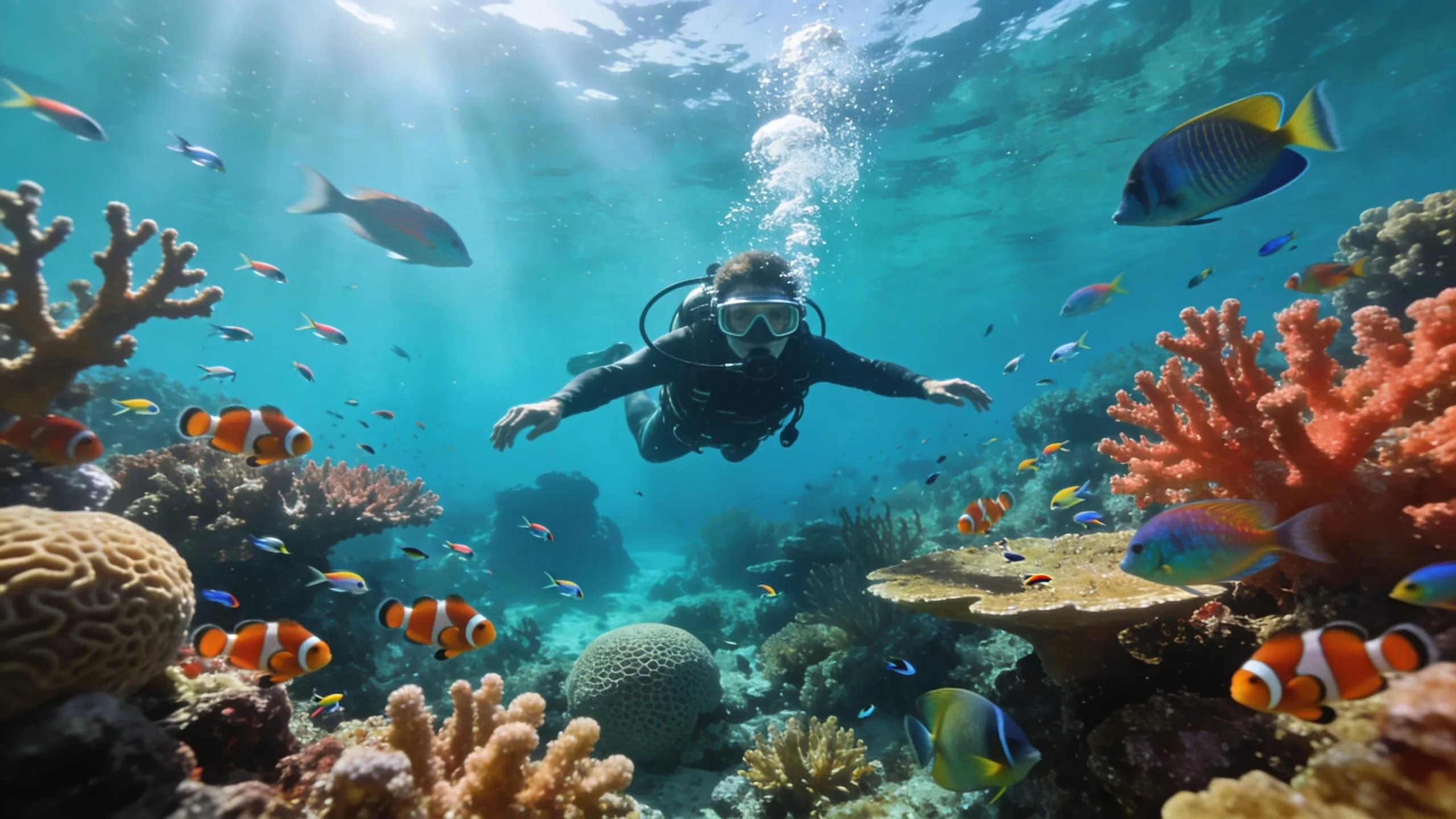
For scuba diving enthusiasts, 2026 offers a myriad of exciting destinations, each boasting unique underwater ecosystems and diving experiences. The popularity of specific locations often varies depending on seasonal factors, marine life visibility, and water conditions. Current trends indicate a growing interest in less-traveled diving hotspots alongside the traditional favorites. Investigating these locations can enhance your diving adventures by revealing hidden gems that offer memorable experiences. Detailed considerations for scuba diving destinations are essential for planning an extraordinary trip.
What Certification Levels Are Required for Top Dive Sites?
Diving certification requirements typically depend on the complexity of the dive sites and the associated risks. Most renowned diving destinations require at least an Open Water Certification for entry-level dives, while advanced sites may necessitate certifications such as Advanced Open Water or specific specialty training, such as wreck diving. It is essential to check the requirements for each location in advance to ensure you are adequately prepared for the experience and can safely enjoy the underwater environments.
How Do Dive Site Features Compare Across Popular Locations?
When planning a scuba diving trip, comparing the features of different dive sites is vital for selecting the best options for your skill level and preferences. The following table highlights a few popular scuba diving destinations, their notable features, and accessibility ratings:
These comparisons help divers prioritize the locations that align most closely with their goals and aspirations.
Adventure Planning and Travel Resources from ExploreTraveler
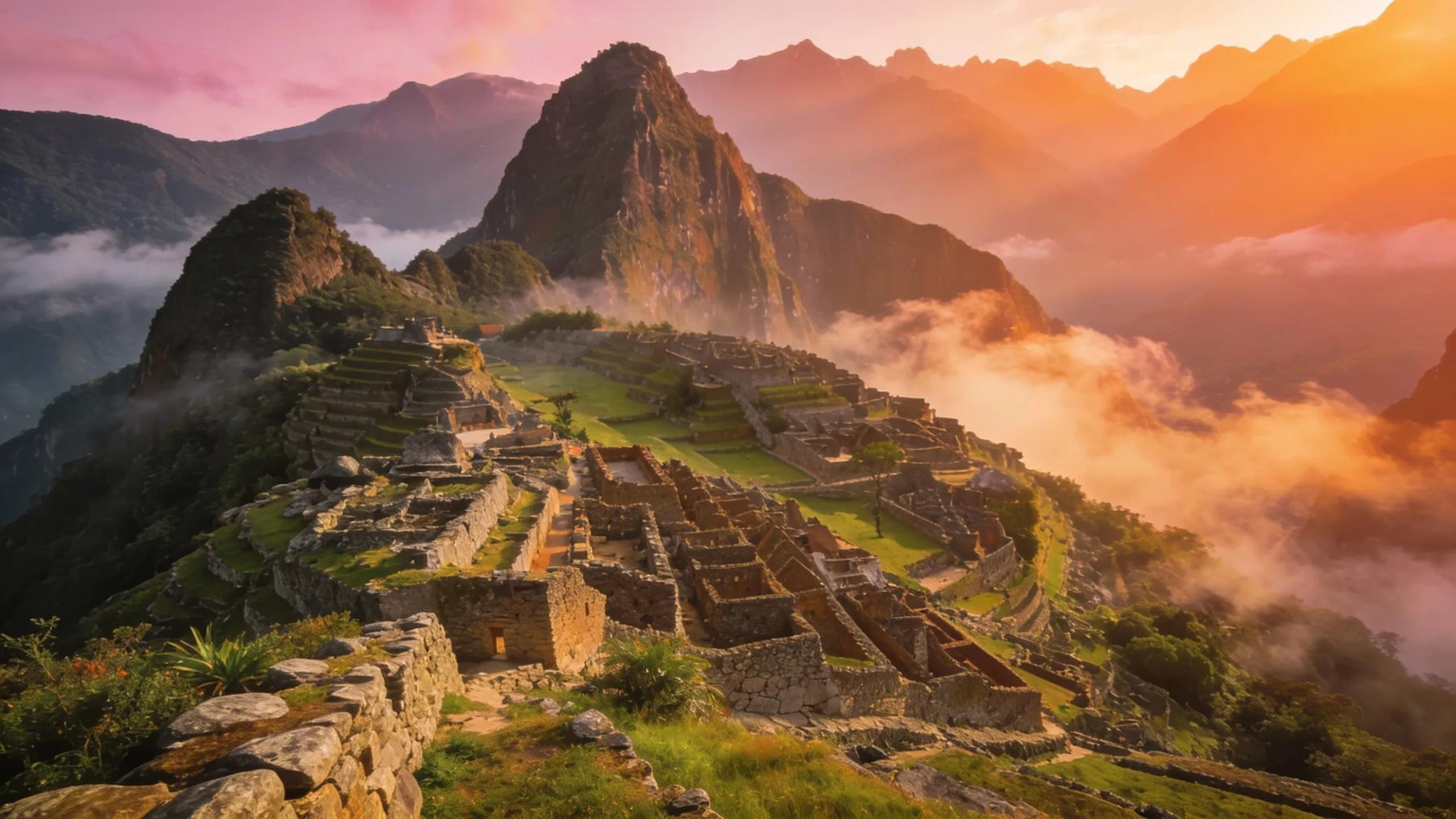
Traveling to UNESCO World Heritage Sites allows explorers to appreciate and engage with cultures and histories that have been preserved over centuries. Creating a plan that incorporates these sites enhances any travel experience with depth and significance. Understanding the nature of each site and its historical context enriches the journey for travelers passionate about cultural exploration.
What Are the Most Significant Historical Sites Included in Explorer Itineraries?
Many historical sites are recognized by UNESCO for their cultural or historical significance. Some prominent sites that should be included in any world travel itinerary are:
- Machu Picchu, Peru: This iconic Incan citadel illustrates advanced engineering and cultural artistry.
- The Great Wall of China: Spanning thousands of miles, it exemplifies the historical and architectural prowess of ancient civilizations.
- Pyramids of Giza, Egypt: These ancient structures highlight the remarkable achievements of early civilizations in geometry and construction.
These sites not only tell the stories of the cultures that built them but also offer visitors an opportunity for immersive experiences that educate and inspire.
How Long Are Recommended Historical Travel Tours?
When planning to visit historical sites, the length of tours can significantly vary. Generally, recommended tours can range from a few hours for a single site visit to several days for comprehensive explorations that cover multiple locations. A well-structured itinerary will balance between depth and breadth, allowing travelers to appreciate each site\’s historical significance while maximizing their overall travel experience.
This notion is further supported by studies emphasizing the role of cultural routes in promoting heritage through well-designed historical itineraries.
Cultural Routes: Promoting Heritage Through Historical Itineraries
Cultural Routes are one of the most important tools for the promotion and the interpretation of cultural heritage. They are itineraries designed around a core theme and they include, inter alia, monuments of archaeological or historical interest, architectural monuments, industrial heritage buildings, religious heritage edifices, traditional settlements, spiritual places. Tourists, Pilgrims and Cultural Routes: The Case of the Kumano Kodo Route in Japan, 2021
What Practical Tips Does ExploreTraveler Offer for Digital Nomads, Scuba Divers, and Historical Explorers?
ExploreTraveler provides practical advice and resources aimed at enhancing the travel experiences of digital nomads, scuba divers, and historical explorers alike. The following tips can help ensure an enjoyable and safe journey.
Which Travel Ebooks and Guides Best Support Adventure Planning?
Several travel-related ebooks and guides are tailored specifically for those seeking a unique adventure. Some notable options include:
- Digital Nomad\’s Journey: An informative guide detailing visa strategies and location hacks for remote workers.
- Diving Destinations Worldwide: A comprehensive ebook featuring insights on the best scuba diving spots, conditions, and certifications.
- Historical Travel: A Guide to UNESCO Sites: This resource assists planners in exploring significant historical locations.
These materials not only offer indispensable insights but also facilitate smoother travel processes.
How Can Travelers Use ExploreTraveler’s Hub for Safe and Prepared Journeys?
Travelers can leverage ExploreTraveler\’s Hub for various resources aimed at promoting safe adventures. Key features include:
- Community Forums: Connect with fellow travelers for shared experiences and recommendations.
- Interactive Maps: Access lay of the land for popular destinations, including attractions, accommodations, and travel tips.
- Resource Compartments: Explore curated content on essential travel safety measures.
Utilizing these features boosts travelers\’ preparations, enhancing the overall safety and enjoyment of their adventures.