Ever since we lay our eyes on the Philippines, we have had a burst of emotions within us. It is love at first sight and we cannot deny it. We cannot stop gushing over Boracay’s white-sand beaches and the seaside cliffs at Palawan. The locals can be humbler than you can ever think of them to be.
The Philippines is a nation that comprises around 7641 islands located in close association. Needless to say, it will be very hard for you to visit all of them in just a few weeks of your visit. But with our travel guide, we will make sure to help you make the most out of the nation within the shortest period.
The Philippines is all that you want as a tourist. The tropical islands, unique wildlife, rice terraces, white sandy beaches, and turquoise blue waters are the sights to behold. The place is also home to some of the world-class diving and surfing spots. The official language is Filipino and learning some common phrases will help you in your entire tour. The country is a Christian nation, the only one in Asia. You’ll get to see the best amalgamation of Western and Eastern cultures here.
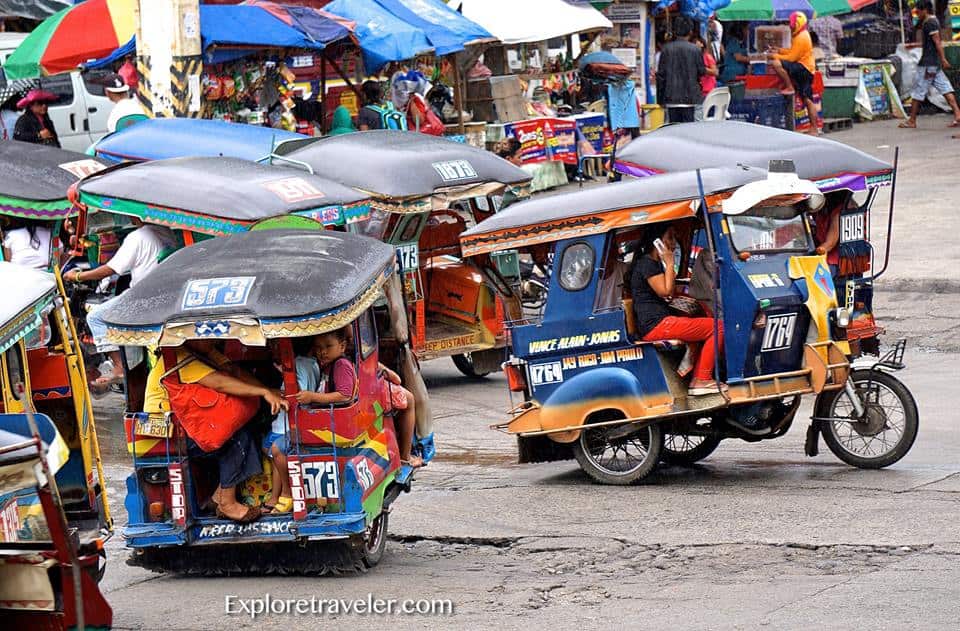
The best time to visit the nation is around March to May during the summers. It might be very expensive to move around but you will easily find taxis, jeepneys, and motorised tricycles as a major mode of transportation in the towns and cities.
Enjoy the local festivals of Sinulog, Dinagyang, Panagbenga, or Masskara, or island-hop through boat rides. Enjoy scuba diving in the coral triangle or go beach bumming. Do not forget to try the local food here for as low as a dollar and much more.
To explore the best travel destinations in the Philippines, hire a local guide or follow our blog to enrich your knowledge about their culture.
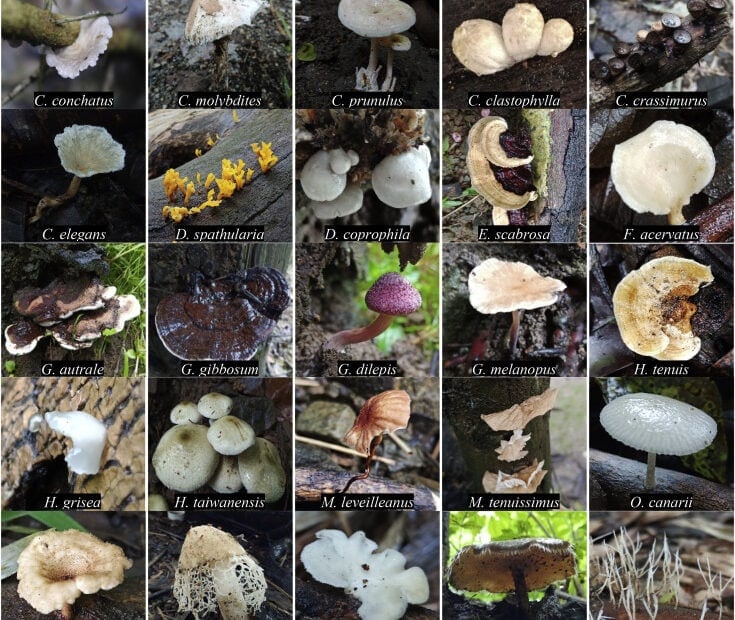
Edible Wild Mushrooms Found In The Tropics Discover a world of Edible Wild Mushrooms in the Philippines! Explore the diverse varieties of edible mushrooms blessed upon this land.Read…
Tacloban: Muli Nating Bisitahin (Tacloban: A Revisit) Ang Tacloban ay isang mataas na urbanisadong lungsod at ang pinakamalaking siyudad sa Eastern Visayas. Ito ay tahanan ng tinatayang 242,089Read…
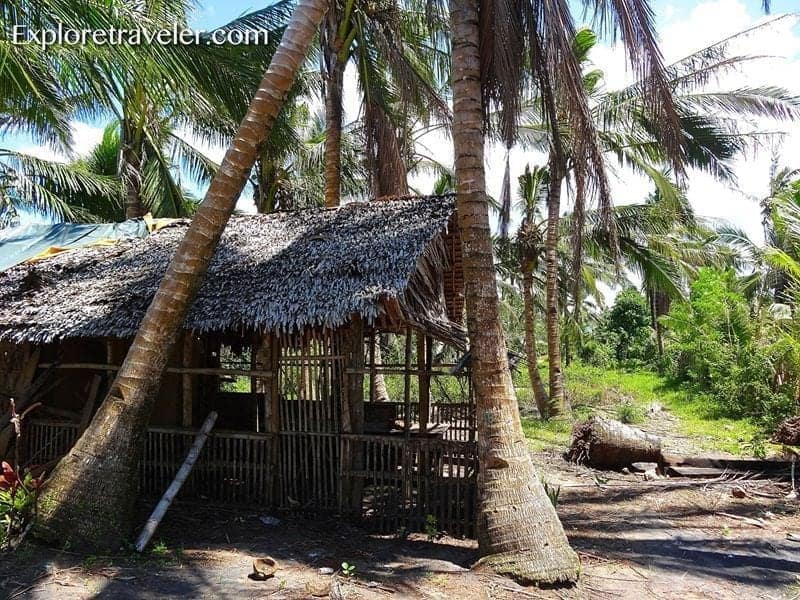
Traditional Nipa Huts in the Philippines Nipa Huts are a living symbol of rural life in the Philippines. It is the home of yesterday that has changed andRead…
Cebu Top Tourist Attractions: In the New Normal A year ago, COVID-19 pandemic hit the world and the Philippines and travel has been one of the activities whichRead…
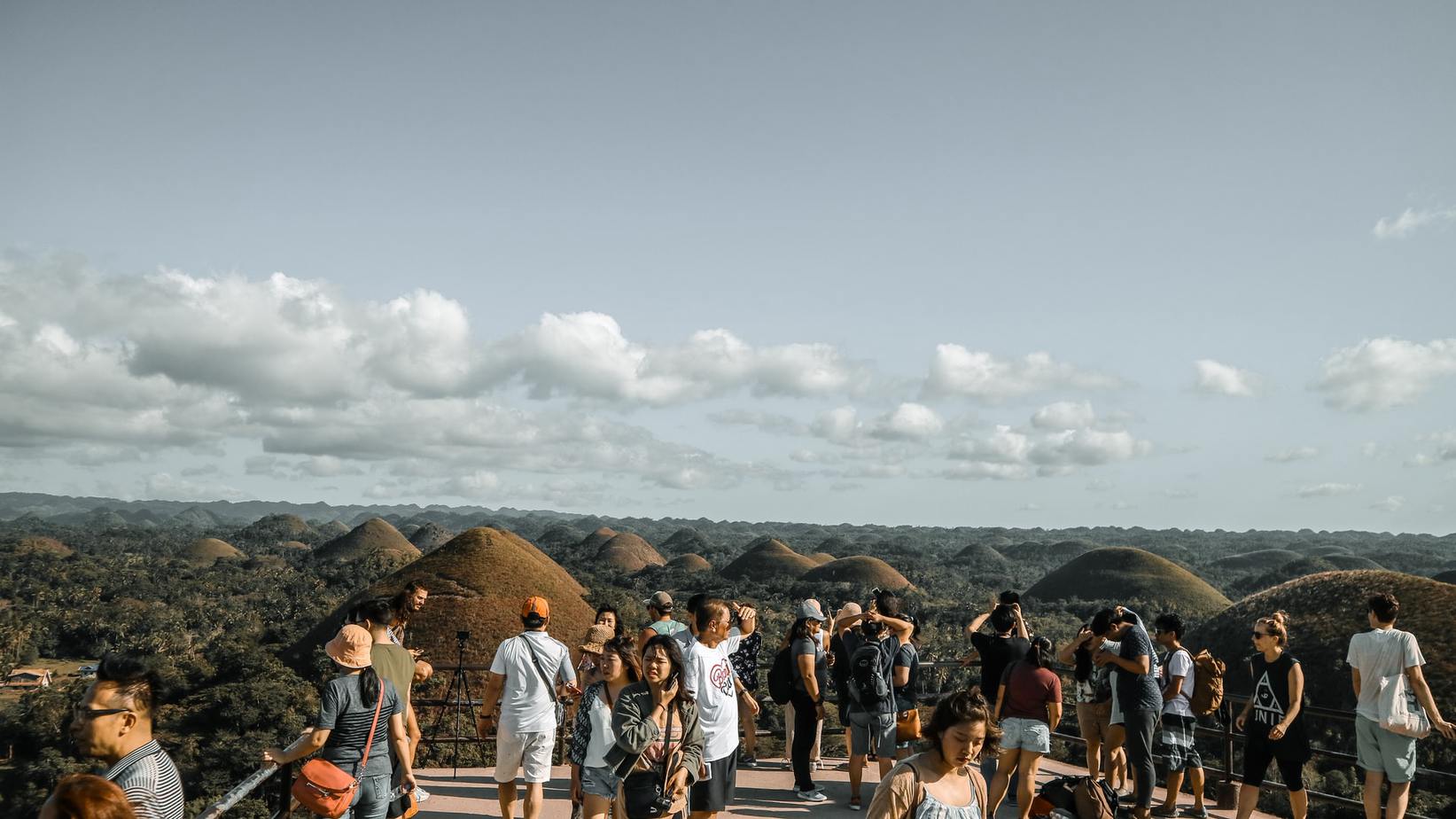
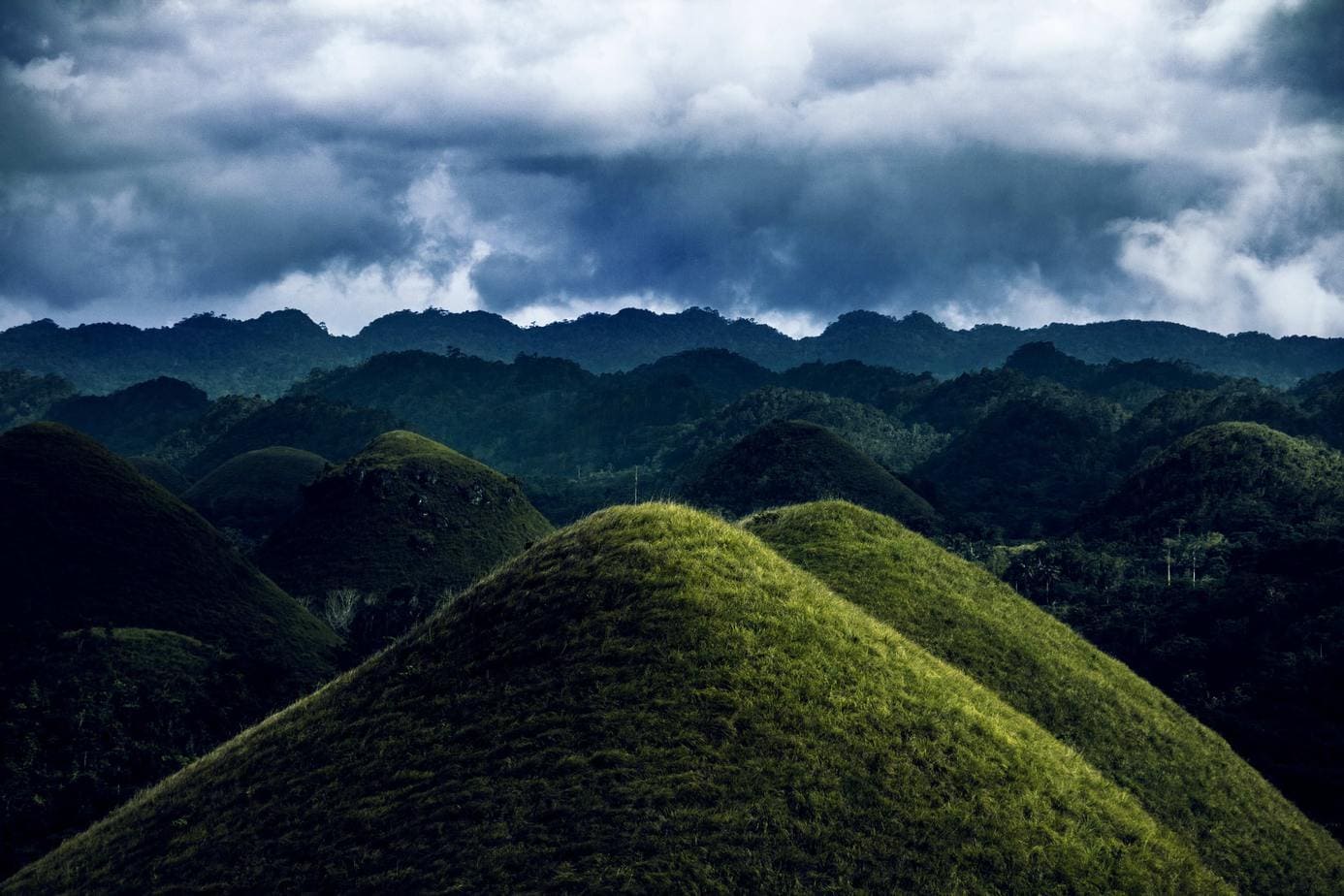
Tuklasin ang Misteryo ng Chocolate Hills sa Bohol, Philippines Chocolate Hills Bohol Philippines Tuklasin ang Misteryo ng Chocolate Hills sa Bohol, Philippines – Halos lahat tayo nangangarap naRead…
Vacationing at different places of the world has been everybody’s dream at least once in a lifetime and only some of us are able to fulfill and liveRead…
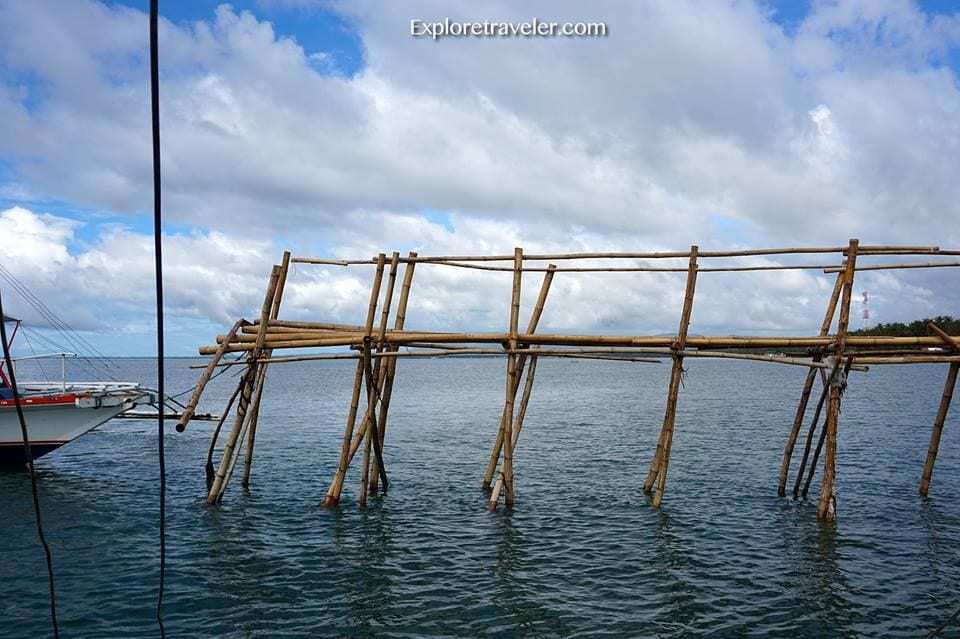
Tingnan Ang Iyong Bawat Hakbang Sa Daungang Gawa Sa Lumang Kawayan Pangingisda Sa Taas ng Dagat Ang pangingisda sa Pilipinas, ay katulad sa walang katapusang paghahabulan ng pusaRead…
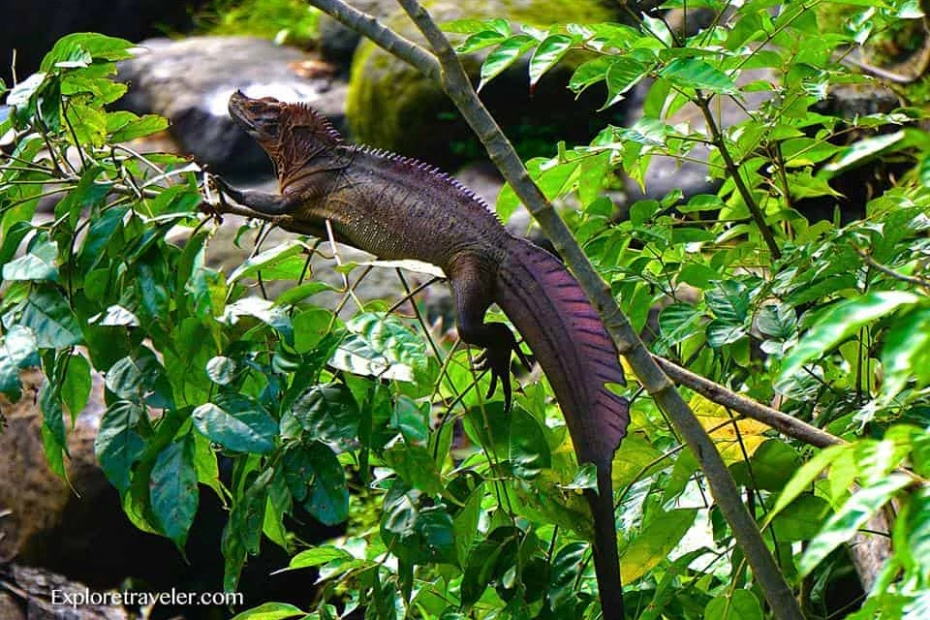
Sailfin Dragon Lizards are perhaps the most spectacular lizards in the jungle. They are by far the most beautiful. Sailfin Dragon Lizards are stoutly built. They are sturdy!Read…
ExploreTraveler is an international travel and RV living knowledge platform built on real-world travel writing,
photography, and video documentation. John and Karen Gentry have been traveling, researching, and documenting travel since 1989, with ExploreTraveler formally launched online in 2011.
Our content focuses on travel preparation, safety, logistics, destination research, and practical travel guidance across the United States and worldwide.
palawan, cebu, bohol, manila, chocolate hills, boracay, places to visit in philippines, puerto princesa, siargao, snorkeling, luzon, banaue, tourism, surfing, puerto princesa subterranean river national park, cebu city, whale shark, coral reef, visayas, vigan, scuba diving, davao city, coron island, cave, dry season, alona beach, mindanao, whale, kawasan falls, tarsier, sand, moalboal, coast, lagoon, panglao island, landscape, siquijor, reef, world heritage site, limestone, ferry, banaue rice terraces, cliff, terrace, baguio, oslob, filipino cuisine, marine life, paradise, swimming, wet season, festival, loboc, intramuros, ifugao, southeast asia, fort santiago, zip line, typhoon, culture, honeymoon, lake, loboc river, metro manila, laguna, shipwreck, jeepney, pacific ocean, batangas, sardine run, ninoy aquino international airport, iloilo, tourist attraction, architecture, cuisine, central visayas, subterranean river, camiguin, vacation, archipelago, unesco, sanctuary, negros, quezon city, panay, miguel lópez de legazpi, capital of the philippines, bicol region, holy week, kalibo, wildlife, ferdinand magellan, sandugo, sinulog, rizal park, mayon, pasay, cordillera central, rizal, apo island, fortification, transport, hinagdanan cave, mount apo, honda bay, panagbenga festival, kadayawan festival, our lady of peñafrancia, trail, aklan, culture of the philippines, iloilo city, feast of the black nazarene, procession, philippine tarsier, manila bay, lucban, baclayon church, parade, manila cathedral, mactan, village, mangrove, tagbilaran, pampanga, big lagoon, bacolod, things to do in puerto princesa, things to do in cebu philippines, manila tourist attractions, cebu tourist attractions, philippines vacation spots, tourist boracay, things to see in manila, best place to go in philippines, philippines tourist attractions, things to do in cebu city philippines, places to visit in the philippines, history of the philippines, sagada, nightlife, batanes, species, western visayas, quezon, snake island, spanish colonial architecture, jungle, daraga, dumaguete, turquoise, cagayan de oro, coconut, angeles city, tagaytay, cultural heritage, biodiversity, taal volcano, tubbataha reef, fort san pedro, malapascua, donsol, shoal, sea turtle, taal lake, puka shell, atmosphere, adventure, national museum of the philippines, makati, liveaboard, public transport, kalesa, san agustin church, cagsawa ruins, ifugao people, bamboo, ilocos sur, hanging coffins, cathedral, bataan, sail, top places to visit philippines, philippines top destinations, must visit in philippines, best place to tour in philippines, best place to vacation in philippines, best places to vacation in philippines, best things to see in philippines, best tourist attraction in philippines, best tourist destination in philippines, famous tourist spot in philippines
Frequently Asked Questions
Is the Philippines a good place to visit?
The Philippines is an excellent destination for travelers, offering a diverse array of natural wonders, rich cultural heritage, and hospitable locals that make it a rewarding and memorable travel experience.
What is the best place to visit in the Philippines?
The best place to visit in the Philippines is largely subjective, as the country offers a diverse range of stunning destinations, each with its own unique charm and appeal.
Is the Philippines a safe place to visit?
The Philippines is generally a safe place to visit, with low crime rates in most tourist areas. However, it's important to exercise caution, follow local guidelines, and avoid isolated or high-risk regions to ensure a secure and enjoyable travel experience.
Is Cebu, Philippines, a safe place to visit?
Cebu, Philippines, is generally considered a safe place to visit, with low crime rates and well-developed tourist infrastructure, though visitors should still exercise caution and common sense when exploring the area.
What are the must-see destinations in the Philippines?
The must-see destinations in the Philippines include the stunning beaches of Boracay, the serene island of Palawan, the historic city of Vigan, the majestic rice terraces of Banaue, and the vibrant capital city of Manila.
Which Philippine island is best for tourists?
The best Philippine island for tourists is Boracay, known for its stunning white sand beaches, vibrant nightlife, and wide range of water sports and activities.
Are there hidden gems in the Philippines?
The Philippines is home to numerous hidden gems, from serene beaches and lush landscapes to vibrant local cultures and unique festivals that offer travelers a chance to discover the country's lesser-known treasures.
What cultural sites are there in the Philippines?
The Philippines is home to a rich cultural heritage, featuring historical landmarks, UNESCO World Heritage sites, and indigenous communities showcasing their unique traditions and architecture, such as the Banaue Rice Terraces, Cebu's Basilica Minore del Santo Niño, and the Ifugao Rice Terraces.
When is the best time to visit the Philippines?
The best time to visit the Philippines is typically during the dry season, which runs from November to May. This period offers favorable weather conditions, making it an ideal time to explore the country's diverse landscapes and enjoy outdoor activities.
Are there eco-tourism spots in the Philippines?
The Philippines is home to numerous eco-tourism spots, offering travelers opportunities to experience the country's natural wonders and sustainable tourism practices. Popular eco-tourism destinations include Palawan, Siargao, and the Visayan islands.
What are the top beaches in the Philippines?
The top beaches in the Philippines include Boracay, El Nido in Palawan, Siargao, Bantayan Island, and Pagudpud in Ilocos Norte, offering white sand, clear waters, and diverse marine life for travelers to explore.
Can tourists visit indigenous communities in the Philippines?
Tourists can visit indigenous communities in the Philippines, but it's important to be respectful of their culture and traditions. Many indigenous groups welcome visitors who want to learn about their way of life.
Are there UNESCO sites in the Philippines?
The Philippines has several UNESCO World Heritage sites, including the Rice Terraces of the Philippine Cordilleras, the Puerto-Princesa Subterranean River National Park, and the Historic Town of Vigan.
What adventure activities are available in the Philippines?
The Philippines offers a wide range of adventure activities, including scuba diving, snorkeling, island hopping, hiking in lush rainforests, zip-lining, and exploring ancient caves and underground rivers.
How do tourists get around in the Philippines?
Tourists in the Philippines can get around using various modes of transportation, such as jeepneys, tricycles, buses, ferries, and taxis, which are widely available and affordable options for exploring the country's destinations.
Are there family-friendly places in the Philippines?
The Philippines offers numerous family-friendly destinations, such as Boracay's white sand beaches, Cebu's historical sites, and Palawan's natural wonders, catering to families with a range of activities and amenities.
What local foods should visitors try in the Philippines?
Visitors to the Philippines should try local delicacies such as adobo (chicken or pork cooked in soy sauce and vinegar), lumpia (fried spring rolls), and halo-halo (a dessert with shaved ice, evaporated milk, and various toppings).
Are there historical landmarks to visit in the Philippines?
The Philippines is home to numerous historical landmarks that offer insights into the country's rich cultural heritage. Prominent examples include the historic Intramuros in Manila, the Banaue Rice Terraces, and the Tubbataha Reefs Natural Park.
What are the best diving spots in the Philippines?
The best diving spots in the Philippines include Tubbataha Reef, Apo Island, Coron, El Nido, and Malapascua, offering diverse marine life, vibrant coral reefs, and stunning underwater landscapes.
Can visitors experience wildlife in the Philippines?
Visitors can experience diverse wildlife in the Philippines, including endangered species like the Philippine eagle, tarsiers, and a wide variety of marine life, especially in protected areas and national parks across the archipelago.
Are there mountainous areas to explore in the Philippines?
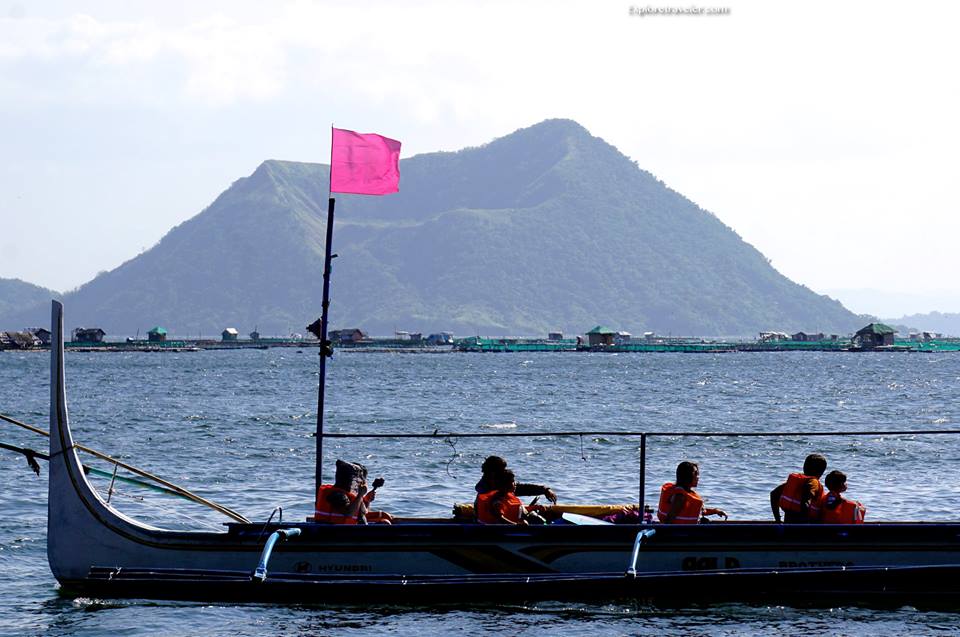
The Philippines is home to numerous mountainous regions, offering diverse landscapes for exploration, including the Cordillera mountains, Mount Apo, and the volcanic peaks of Mayon and Taal.
What festivals are worth attending in the Philippines?
The Philippines celebrates a variety of vibrant festivals worth attending, including the Sinulog Festival in Cebu, Panagbenga Festival in Baguio, and MassKara Festival in Bacolod, showcasing the country's rich culture and traditions.
Are there affordable resorts in the Philippines?
The Philippines offers a wide range of affordable resort options for travelers, providing budget-friendly accommodations without compromising the quality of experience.
How do visitors respect local customs in the Philippines?
Visitors can respect local customs in the Philippines by dressing modestly, especially when visiting religious sites, being mindful of public displays of affection, and participating in local festivities and traditions with an open and respectful attitude.
What are the best shopping spots in the Philippines?
The best shopping spots in the Philippines include Greenhills Shopping Center in Manila, Divisoria Market in Manila, and Alabang Town Center in Muntinlupa, offering a wide range of products, from local handicrafts to modern apparel.
Are there luxury accommodations in the Philippines?
The Philippines offers a variety of luxury accommodations, from high-end beach resorts in destinations like Boracay and Palawan to upscale hotels in major cities such as Manila and Cebu, catering to travelers seeking a premium travel experience.
Can tourists volunteer in the Philippines?
Yes, tourists can volunteer in the Philippines. The country offers various volunteer opportunities for travelers, such as teaching English, working with local communities, or supporting environmental conservation efforts.
What are the best day trips in the Philippines?
The best day trips in the Philippines include exploring the stunning Chocolate Hills in Bohol, discovering the tranquil Kawasan Falls in Cebu, and experiencing the lively local markets and vibrant street life in Manila.
Are there night markets in the Philippines?
Yes, the Philippines is known for its vibrant night markets, offering a lively atmosphere, a wide variety of local street food, and unique shopping experiences for visitors.
How safe are public transports in the Philippines?
Public transportation in the Philippines generally offers a reasonable level of safety, though travelers should exercise caution and be aware of their surroundings when using buses, jeepneys, and other modes of public transit.
philippines destinations, top philippine destinations, top spots in philippines, james betia, top destination in philippines, top destinations in the philippines, tiang gubat, top places to visit philippines, places to visit in philippines, philippines travel destinations, top destinations philippines, where to visit in philippines, what places to visit in philippines, top places to visit in the philippines, top destinations in philippines, the traveler explore, destinations philippines, top philippines destinations, edible mushrooms in the philippines, top destinations, philippines top destinations, philippines tourist destinations, places to visit in phillipines, places to visit in the philippines, kabute sa punso, top destination in the philippines, bahay kubo gawa sa kawayan, the most popular place in philippines, lizard na malaki, where to go in philippines, tourist attractions in the philippines, philippine top destinations, philippines vacation destinations, philippines tourist attractions, where to travel in the philippines, where to visit in the philippines, phillippines
Top Philippine Islands for Every Traveler
The Philippines is an archipelago of over 7,000 islands, each offering a unique slice of paradise. From the world-renowned beaches of Boracay to the dramatic landscapes of Palawan and the cultural richness of Cebu, there's an island to suit every type of traveler. Whether you seek adventure, relaxation, or cultural immersion, understanding the distinct appeal of each major island will help you craft the perfect Philippine itinerary.
For beach lovers, Boracay consistently ranks as a top choice with its powdery white sands and vibrant atmosphere. Palawan, often cited as one of the world's most beautiful islands, captivates with its limestone cliffs, crystal-clear lagoons, and diverse marine life, making it ideal for snorkeling and diving. History buffs and culture enthusiasts will find Vigan's Spanish colonial architecture and Cebu's historical sites, like Magellan's Cross and the Basilica Minore del Santo Niño, particularly compelling. For those seeking adventure and natural wonders, Siargao offers world-class surfing, while Bohol is famous for its unique Chocolate Hills and charming tarsiers.
Understanding Philippine Culture and Traditions
The Philippines boasts a rich tapestry of cultural influences, shaped by centuries of indigenous heritage, Spanish colonization, and American presence. This unique blend is evident in its languages, cuisine, festivals, and social customs. Engaging with the local culture offers a deeper appreciation of the country's identity and the warmth of its people.
Key aspects of Filipino culture include the strong emphasis on family ties, respect for elders (paggalang), and a generally hospitable nature towards visitors. Festivals like the Sinulog Festival in Cebu and the Panagbenga Festival in Baguio showcase vibrant parades, traditional dances, and religious devotion. The country's cuisine, a delicious fusion of sweet, sour, and savory flavors, features iconic dishes such as Adobo, Sinigang, and Lechon, reflecting its diverse culinary heritage. Understanding these traditions will enhance your travel experience and foster meaningful connections with the local communities.
Adventure Activities and Ecotourism in the Philippines
Beyond its stunning beaches and cultural landmarks, the Philippines is a haven for adventure seekers and ecotourism enthusiasts. The archipelago's diverse geography, from volcanic mountains to lush rainforests and vibrant coral reefs, provides a playground for a wide array of thrilling activities and opportunities to connect with nature.
Popular adventure activities include world-class diving and snorkeling in sites like Tubbataha Reefs Natural Park and Apo Island, known for their abundant marine biodiversity. Island hopping in Palawan and the Visayas offers chances to explore hidden lagoons and pristine beaches. For adrenaline junkies, surfing in Siargao, hiking Mount Apo (Southeast Asia's highest peak), and exploring the underground river in Puerto Princesa are unforgettable experiences. Ecotourism initiatives focus on preserving the country's natural beauty, offering opportunities to witness unique wildlife like the Philippine eagle and various marine species in their natural habitats.
Navigating Transportation and Logistics in the Philippines
Traveling within the Philippines involves understanding its unique transportation landscape, which ranges from bustling urban transit to inter-island ferries and local modes of transport. Efficiently navigating these options is key to a smooth and enjoyable journey across the archipelago.
Major cities like Manila and Cebu offer a variety of public transportation, including jeepneys (iconic decorated buses), tricycles (motorized rickshaws), buses, and taxis. For inter-island travel, ferries and planes are the primary means of getting from one island to another. Domestic flights are common and often the quickest way to cover long distances. When exploring local areas, be prepared for diverse transport options, and always confirm fares beforehand to avoid any misunderstandings. Planning your routes and booking accommodations and transport in advance, especially during peak seasons, is highly recommended.