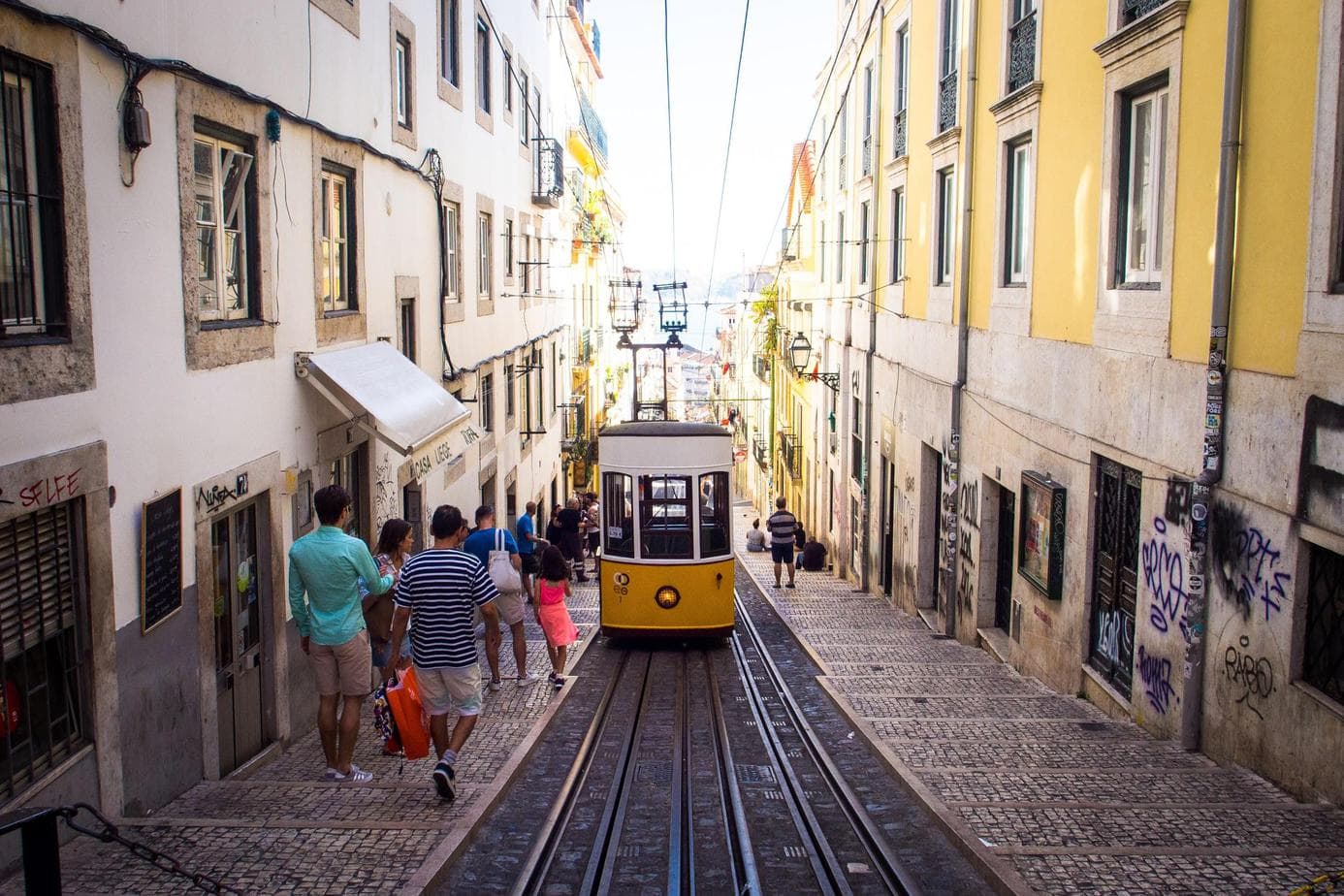
Lisbon is the jewel of Portugal. This capital city is one of the largest and most frequently visited cities in Southern Europe. “Lovely Lisbon” is famous for its amazing scenery, vibrant culture, and delectable cuisine. Lisbon is also famous for its striking white and red architecture, hence why people call Lisbon the “White City.” There are many things to do in Lisbon.
But there’s so much more to Lisbon than what you’ll see at first glance. The White City has been around for centuries, which means that it has centuries of history that’s just waiting to be explored. You can learn a lot of that history from speaking with Lisbon’s citizens, and by stopping by the city’s museums.
We’re going to travel through time today! Pack your bags and strap on your good walking shoes, because we’re about to go museum hopping in Lisbon. We’ll stop by some of the city’s most popular venues as well as a few museums that are a bit more exclusive. This trip is going to take us all around Lisbon. Before you embark on this journey, you might want to store your extra luggage somewhere safe.
The National Museum of Contemporary Art
The National Museum of Contemporary Art (or “Museu Nacional de Arte Contemporânea do Chiado” in Portuguese) is the first destination on our museum hopping adventure. This museum houses thousands of contemporary art pieces from all around Portugal. We’re talking paintings, sculptures, still photographs – MNAC has art pieces from every medium that you could think of, and some that you might not even know about.
MNAC first opened in 1911. Its construction was paid for by funds from an 1850 project that didn’t come to fruition. MNAC proved to be very popular with citizens almost immediately. In 1994, renowned architect Jean-Michel Wilmotte was commissioned to redesign the museum. What you see now is the fruit of Wilmotte’s efforts, as well as the builders who diligently helped him renovate the museum.
More than a century after MNAC first opened, it’s still one of the most popular museums in Lisbon. MNAC is a great place to learn about esteemed Portuguese contemporary artists like Carla Filipe and Pedro Cabrita Reis. It’s also located near our next stop.
Carmo Archaeological Museum
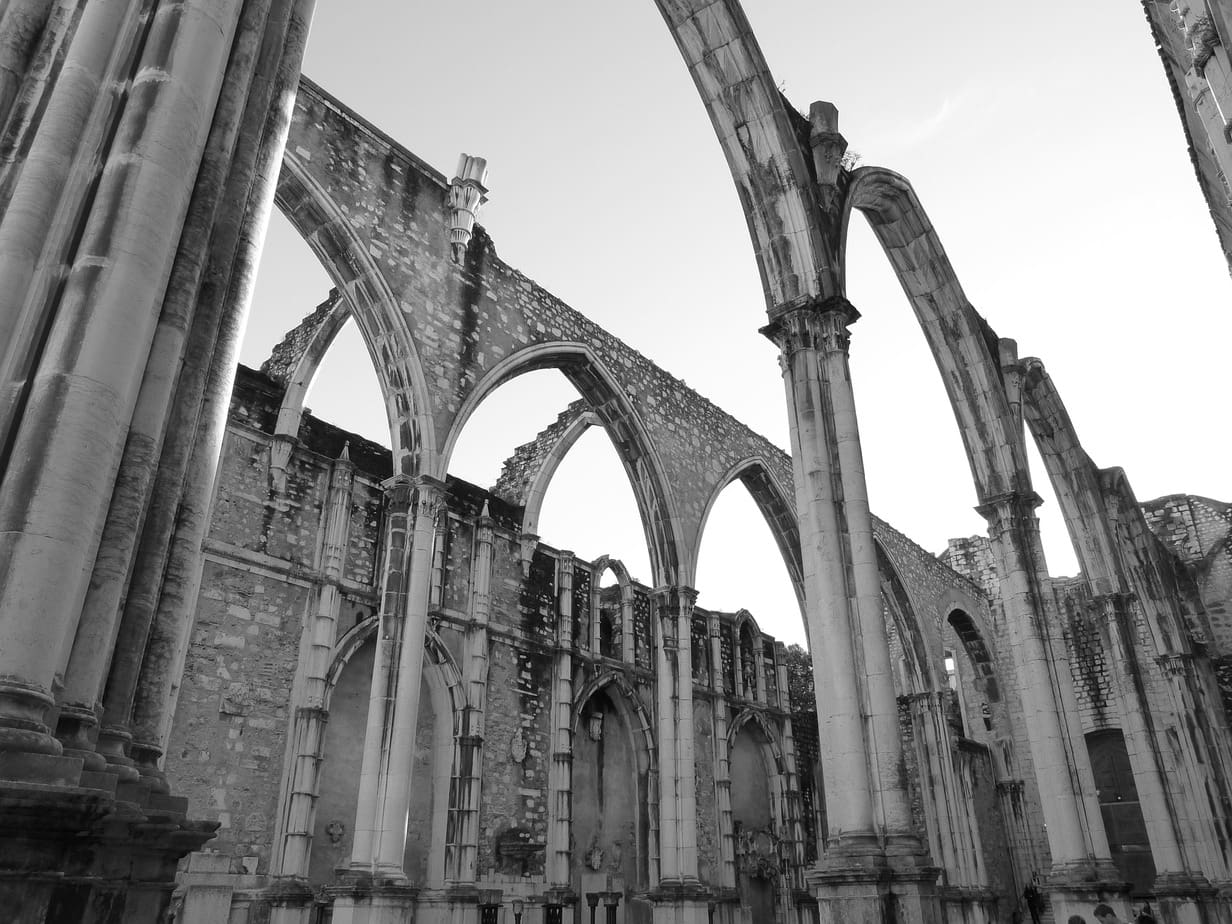
The next stop on our museum hopping extravaganza is actually a destination within a destination. The Carmo Convent was once a significant Catholic convent until an earthquake damaged it in 1755. Our destination, the Carmo Archaeological Museum, is located within the remains of the Carmo Church. The Carmo Archaeological Museum is a marvel of Medieval architecture. For context, construction first began on this building in 1389!
Very few modern touches have been added to the museum. The goal is to preserve this site’s authenticity by leaving it in its post-earthquake state. Seriously, visiting the Carmo Archaeological Museum is like using a time machine! After you finish admiring this amazing venue, you won’t be far from our next stop.
Discovering the Fascinating Museum of Design and Fashion
The Carmo Archaeological Museum gives us a great look at the past. However, the Museum of Design and Fashion (or MUDE for short) grounds us back in the here and now. This venue is a hub for all things fashion and design, stretching back from the 19th century to modern-day trends. They’ve got outfits and art pieces galore! There are also several spaces dedicated to famous Portuguese architects.
One of the craziest things about MUDE is that this museum used to be a bank. At one point in time, Lisbon’s citizens felt the need to commemorate their city’s artists and designers. They repurposed the bank into one of the White City’s most culturally important spaces for the arts and design. MUDE is without a doubt one of the most cherished museums in Portugal, let alone Lisbon.
It’s worth noting that MUDE goes by another name – Change. You might bump into quite a few folks who use that name over MUDE. One thing’s guaranteed though; you’ll be absolutely inspired by the time you’ve finished visiting this place.
Museum of Aljube Resistance and Freedom
It’s been said that what’s done in the dark will eventually come out in the light. The Museum of Aljube Resistance and Freedom is dedicated to shining a light on the tyranny that countless experienced from 1926 to 1974. For those who don’t know, many Portuguese citizens were oppressed by two major authoritarian regimes in the 20th century – Ditadura Nacional and Estado Novo.
The mission of the Museum of Aljube Resistance and Freedom is to ensure that the crimes of those regimes are brought to light. The exhibits at this venue can be very harrowing. However, everything that’s on display here is done so with a purpose. As long as the Aljube Museum is around, the voices of the oppressed can never be suppressed. We encourage you to visit their website to learn more about the Museu do Aljube. Whenever you’re ready, we can move on to the very last stop on our museum hopping experience.
Celebrating Lisbon's Vibrant Fado Music Culture
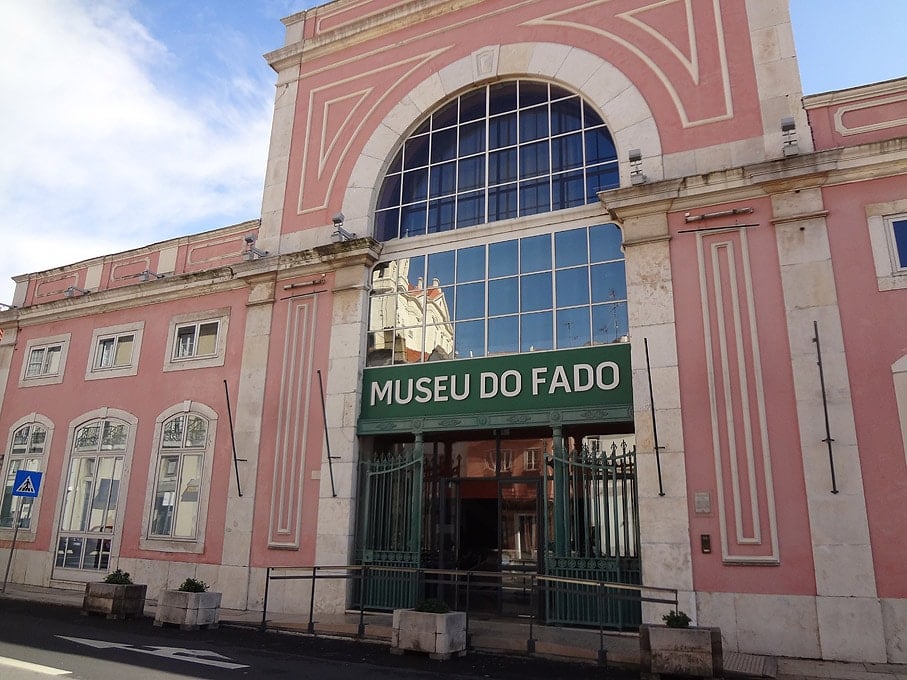
Anyone who’s remotely familiar with Lisbon’s museum scene probably expected to visit this venue at one point or another. Well, surprise! Museu do Fado is the very last stop of our museum hopping tour of Lisbon. How could it not be — the Museu do Fado is one of the most popular museums in the city. This place is dedicated to preserving and promoting Fado, a genre of music that’s integral to Portugal and Lisbon’s culture.
If you’ve never heard Fado music before, you’ll be in for a treat. You see, the Museu do Fado isn’t just a museum – it’s also a live concert venue! Artists play at the museum all the time. Moreover, you can also sign up for Fado singing classes. Visual arts are also a core part of the Fado experience. You can look forward to seeing all kinds of amazon art pieces here. Stop by the Museu do Fado’s website to see what’s in store.
ExploreTraveler is an international travel and RV living knowledge platform built on real-world travel writing,
photography, and video documentation. John and Karen Gentry have been traveling, researching, and documenting travel since 1989, with ExploreTraveler formally launched online in 2011.
Our content focuses on travel preparation, safety, logistics, destination research, and practical travel guidance across the United States and worldwide.
lisbon, museu da marioneta, national museum of contemporary art of chiado, national museum of ancient art, fado, contemporary art, calouste gulbenkian, architecture, carmo convent, berardo collection museum, national coach museum, museum of lisbon, museums in lisbon, calouste gulbenkian museum, national museum of the azulejo, calouste gulbenkian foundation, azulejo, palace of ajuda, tagus, navy museum, museum of the orient, electricity museum, puppetry, tile, culture, fado museum, archaeology, ancient art, museu benfica, ajuda, jerónimos monastery, national museum of natural history, museums lissabon, unesco, pastel de nata, what is lisbon famous for, alfama, belém tower, são jorge castle, sintra, tram, praça do comércio, lisbon baixa, portuguese cuisine, 25 de abril bridge, monastery, parque das nações, chiado, palace, pastry, custard tart, world heritage site, cuisine, moors, manueline, gothic architecture, bacalhau, public transport, custard, monument of the discoveries, age of discovery, tart, bairro alto, cod, pena palace, atlantic ocean, iberian peninsula, rossio, lisbon cathedral, 1755 lisbon earthquake, santa justa lift, bairro, monastery of são vicente de fora, elevator, roman empire, lisbon region, taste, transport, rua augusta arch, cathedral, nightlife, lisbon oceanarium, ruins, metropolitan area, portuguese empire, baroque, coast, tourism, digital nomad, european union, afonso i of portugal, bacalhau à brás, ascensor da bica, carnation revolution, mediterranean sea, praia, sauce, tourist attraction, quinta da regaleira, campo de ourique, foodie, monument, fortification, olive oil, hill, ginjinha, arch, sea, moorish castle, padrão, vincent of saragossa, sculpture, stew, alentejo, avenida da liberdade, estrela basilica, landmark, funicular, cacilhas, façade, costa da caparica, humberto delgado, university of lisbon, nightclub, craft beer, gastronomy, neighbourhood, port, athens, seville, ascensor da glória, baroque architecture, portuguese architecture, lisbon airport, joseph i of portugal, antónio de oliveira salazar, pedro álvares cabral
Frequently Asked Questions
What are the best museums to visit in Lisbon?
The best museums to visit in Lisbon include the Museu Nacional de Arte Antiga, Museu Calouste Gulbenkian, and the Museu Nacional dos Coches, showcasing the city's rich art, history, and cultural heritage.
Are there any museums in Lisbon dedicated to maritime history?
Yes, Lisbon has several museums dedicated to maritime history, including the Museu de Marinha, which features exhibits on Portugal's naval history and exploration.
Where is the National Museum of Ancient Art located?
The National Museum of Ancient Art is located in Lisbon, Portugal, housed in a 17th-century palace known as the Palácio das Janelas Verdes.
Can I buy tickets online for the Archaeology Museum?
You can buy tickets online for the Archaeology Museum in Lisbon. The museum offers an online ticketing system, allowing visitors to purchase tickets in advance and avoid queues at the entrance.
Can I take photos inside Lisbon museums?
Taking photos inside Lisbon museums is generally permitted, but some restrictions may apply. Visitors should check with individual museums for their specific photography policies before their visit.
What are the opening hours of museums in Lisbon?
The opening hours of museums in Lisbon vary, but most are typically open from 10:00 AM to 6:00 PM, with some exceptions. Many museums may have extended hours on certain days or close earlier on others.
Are there any modern art museums in Lisbon?
Lisbon is home to several renowned modern art museums, including the Calouste Gulbenkian Museum, which features an impressive collection of 20th-century art, and the National Museum of Contemporary Art, showcasing cutting-edge Portuguese and international works.
What are the oldest museums in Lisbon?
The oldest museums in Lisbon include the National Museum of Ancient Art, founded in 1833, and the National Archeological Museum, established in 1893, which showcase the city's rich cultural and historical heritage.
Are museums in Lisbon free to visit?
The admission fees for museums in Lisbon vary, with some offering free entry while others charging an entrance fee. Visitors should check the specific museum's policies before planning their visit.
What are the most visited museums in Lisbon?
The most visited museums in Lisbon include the Museu Nacional de Arte Antiga, Museu Calouste Gulbenkian, Museu Nacional dos Coches, and the Museu Nacional do Azulejo, showcasing the city's rich cultural and artistic heritage.
Are there any museums in Lisbon with outdoor spaces?
Some museums in Lisbon, such as the Calouste Gulbenkian Museum, have beautiful outdoor gardens and spaces that visitors can explore.
What are the opening hours of the Museum of Lisbon?
The opening hours of the Museum of Lisbon are from Tuesday to Sunday, 10:00 AM to 6:00 PM. The museum is closed on Mondays.
Which museum in Lisbon has a collection of Asian art?
The Museu Nacional de Arte Antiga (National Museum of Ancient Art) in Lisbon houses an extensive collection of Asian art, including Chinese, Japanese, and Indian artifacts.
What exhibits can be found in the Calouste Gulbenkian Museum?
The Calouste Gulbenkian Museum features an extensive art collection spanning various periods and mediums, including Egyptian, Greek, and Roman antiquities, European paintings, and decorative arts.
Which museums in Lisbon offer guided tours?
Several museums in Lisbon, such as the National Museum of Ancient Art, the Jerónimos Monastery, and the Calouste Gulbenkian Museum, offer guided tours to provide visitors with a more in-depth and informative experience.
Can I buy museum tickets online in Lisbon?
Yes, many museums in Lisbon offer the option to purchase tickets online, allowing visitors to skip the lines and access the exhibits directly.
Which museums in Lisbon are suitable for children?
The museums in Lisbon that are suitable for children include the Oceanário de Lisboa, the National Coach Museum, and the Museum of Puppet and Animated Figure Art, which offer interactive and engaging exhibits for young visitors.
What are the top-rated museums in Lisbon?
The top-rated museums in Lisbon include the Museu Nacional de Arte Antiga, Museu Calouste Gulbenkian, Museu Nacional de Arqueologia, and Museu Nacional dos Coches, offering visitors insights into the city's rich art, history, and cultural heritage.
Which Lisbon museums focus on contemporary art?
The Lisbon museums that focus on contemporary art include the Berardo Collection Museum, which houses a renowned collection of modern and contemporary art, and the Electricity Museum, which features exhibitions of contemporary art and design.
Are there any interactive exhibits in Lisbon museums?
Many Lisbon museums feature interactive exhibits that allow visitors to engage with the displays. These interactive experiences bring the city's history and culture to life in an immersive and educational manner.
What is the admission fee for Lisbon museums?
The admission fees for Lisbon museums vary, with some offering free entry while others charge a nominal fee. Prices typically range from €5 to €15 for adult visitors, and discounts are often available for students, seniors, and children.
Which museums in Lisbon have special exhibitions?
The major museums in Lisbon that host special exhibitions include the Museu Nacional de Arte Antiga, Museu Calouste Gulbenkian, and the Museu Nacional dos Coches, showcasing a diverse range of art, culture, and history.
What historical artifacts are displayed in Lisbon museums?
Lisbon's museums showcase a rich collection of historical artifacts, including ancient Roman ruins, intricate religious relics, and artifacts reflecting Portugal's maritime exploration and colonial history.
Are there guided tours available in Lisbon museums?
Many of the museums in Lisbon offer guided tours to provide visitors with insights and historical context about the exhibits and collections.
What is the best time to visit Lisbon museums?
The best time to visit Lisbon museums is during the off-peak season, typically from November to March, when the crowds are smaller and the weather is milder, allowing for a more enjoyable and comfortable museum experience.
Which museums in Lisbon are wheelchair accessible?
The museums in Lisbon that are wheelchair accessible include the Museu Nacional de Arte Antiga, Museu Calouste Gulbenkian, and Museu Nacional dos Coches, which have ramps, elevators, and designated accessible areas for visitors with mobility challenges.
What unique features do Lisbon museums offer?
Lisbon museums offer unique features such as a blend of modern and historical architecture, interactive exhibits that immerse visitors in the city's rich cultural heritage, and collections that showcase Portugal's influential role in global exploration and discovery.
Are there any family-friendly activities in Lisbon museums?
Many Lisbon museums offer family-friendly activities, such as interactive exhibits, educational workshops, and guided tours designed to engage children and make the museum experience more interactive and enjoyable for families.
What are the must-see exhibits in Lisbon museums?
The must-see exhibits in Lisbon museums include the ancient artifacts and artwork at the National Archaeology Museum, the expansive maritime history at the Jerónimos Monastery, and the rich cultural heritage displayed at the Gulbenkian Museum.
Which Lisbon museums are located near public transport?
Several major museums in Lisbon, such as the Museu Nacional de Arte Antiga, Museu Calouste Gulbenkian, and Museu Nacional dos Coches, are conveniently located near public transportation options like metro stations and bus stops.