Navigating the Digital Nomad Visa Process – ExploreTravelerNavigating Financial Requirements for Digital Nomad VisasComprehensive Guide to Global Nomad Visa Options for Perpetual TravellersUnderstanding Country-Specific Nomad Visa Eligibility Criteria Discover Buenos Aires Argentina: A… eBook Discover Malaysia: The Ultimate Travel… eBook Explore More for Less: Travel… The Visa Hacker’s Guide eBook Travel Tips That Can Save…
Navigating The Digital Nomad Visa Process – ExploreTraveler
- by John Gentry
- August 22, 2024September 27, 2024
Key Takeaways
- Digital nomad visas enable remote work in foreign countries without local employment.
- Visa requirements often include proof of income, health insurance, and a clean criminal record.
- Popular digital nomad destinations range from European cities to tropical islands.
- Managing finances and maintaining productivity are crucial for digital nomad success.
- Understanding tax implications and local regulations is essential for long-term digital nomad success.
- Digital nomad visas offer extended travel and work opportunities with legal residency.
- Eligibility for digital nomad visas typically requires proof of remote income and health insurance.
- Top countries offering digital nomad visas include Estonia, Croatia, and Portugal.
Table Of Contents:
- Complete Guide to Digital Nomad Visas: Criteria, Application, and Global Options
- Key Takeaways
- Understanding Digital Nomad Visas
- Defining the Digital Nomad Visa
- How Digital Nomad Visas Differ From Traditional Visas
- The Rise of Remote Work and Its Impact on Immigration
- Benefits of Obtaining a Digital Nomad Visa
- Legal Residency for Extended Travel
- Access to Local Amenities and Services
- Enhancing Your Global Mobility as a Freelancer
- Eligibility Criteria for Digital Nomad Visas
- Income and Financial Stability Requirements
- Employment Status: Freelancers vs. Remote Employees
- Necessary Health Insurance and Background Checks
- Step-by-Step Guide to the Application Process
- Gathering Essential Documentation
- Submitting Your Application Successfully
- Navigating Interviews and Follow-Up Requests
- Receiving and Utilizing Your Digital Nomad Visa
- Top Countries Offering Digital Nomad Visas
- Exploring European Union Options
- Discovering Caribbean Nomad Destinations
- Asian Countries Welcoming Remote Workers
- Lesser-Known Countries With Nomad Visas
- Comparing Global Digital Nomad Visa Options
- Duration and Renewal Policies Across Countries
- Cost Analysis: Visa Fees and Living Expenses
- Evaluating Internet Infrastructure and Connectivity
- Cultural Considerations and Language Factors
- Tips for Choosing the Right Nomad Visa Destination
- Assessing Your Lifestyle and Work Needs
- Climate and Time Zone Considerations
- Community Support and Networking Opportunities
- Legal and Tax Implications in Different Countries
- Preparing for Life as a Digital Nomad
- Setting Up Your Remote Work Environment
- Managing Finances and Banking Abroad
- Maintaining Productivity While Traveling
- Health and Safety Tips for Global Nomads
- Success Stories and Case Studies
- Freelancers Thriving in New Environments
- Remote Employees Exploring the World
- Overcoming Challenges as a Digital Nomad
- Building a Global Network of Clients and Colleagues
- Frequently Asked Questions About Digital Nomad Visas
- Can I Bring Family Members With Me?
- What if My Application Is Denied?
- How Do Taxes Work for Digital Nomads?
- Is It Possible to Extend or Renew My Visa?
- What Are the Restrictions on Local Employment?
- Frequently Asked Questions
- What is a digital nomad visa and how does it differ from other visas?
- What are the typical eligibility requirements for obtaining a digital nomad visa?
- Which countries currently offer digital nomad visas for remote workers?
- How long does the application process usually take for a digital nomad visa?
- Can you work for any company while on a digital nomad visa?
- Conclusion
Complete Guide to Digital Nomad Visas: Criteria, Application, and Global Options
Are you dreaming of working remotely while exploring the world? Digital nomad visas offer a solution. This guide, authored by John Gentry with over 30 years of travel experience, covers everything you need to know about these visas, including eligibility criteria, application processes, and global options. You’ll learn how to choose the right destination, secure a stable income, and set up essential services like bank accounts. Whether you’re eyeing Abu Dhabi or other nomad-friendly locations, we’ll help you navigate the path to becoming a successful digital nomad while staying compliant with local employment laws.
Understanding Digital Nomad Visas
Digital nomad visas are specialized residence permits designed for remote workers. Unlike traditional visas, they allow you to live and work in a foreign country without local employment. These visas have gained popularity due to the rise of remote work, offering opportunities in countries like Portugal. Understanding the criteria, Digital NomadVisa Process, application process, and insurance requirements is crucial for obtaining citizenship or long-term residence.
Defining the Digital Nomad Visa
A digital nomad visa is a specialized travel visa that allows you to live and work remotely in a foreign country for an extended period. Unlike traditional tourist visas, these permits grant you the legal right to earn income while residing in the host country, typically without the need for local employment. Financial Requirements for NomadVisas
Digital nomad visas often come with specific requirements, including proof of remote income, health insurance, and travel insurance. You may also need to pay a fee to apply and meet minimum income thresholds set by the host country. These Financial Requirements for Nomad Visas aim to attract remote workers and boost local economies while offering you the flexibility to explore new destinations.
One key advantage of digital nomad visas is their potential tax benefits. Depending on the country and duration of your stay, you may be able to optimize your tax situation by becoming a tax resident in a more favorable jurisdiction. However, it’s crucial to understand the tax implications in both your home country and the host nation to ensure compliance and maximize benefits.
How Digital Nomad Visas Differ From Traditional Visas
Digital nomad visas differ from traditional visas by allowing you to work remotely while residing in a foreign country. Unlike standard tourist or work visas, these permits don’t require you to have local employment or a specific employer sponsorship. This flexibility enables you to maintain your current job or freelance work while exploring countries like Spain or the United Arab Emirates. Financial Requirements for Nomad Visas, NomadVisa Eligibility Criteria, Digital NomadVisa IncomeCriteria, Digital Nomad Visa Process
Another key difference lies in the duration and purpose of stay. Traditional Nomad Visa Eligibility Criteria often have shorter time limits and stricter restrictions on income-generating activities. Digital nomad visas, however, typically offer longer stays—often up to one or two years—and explicitly permit you to earn income from abroad. This arrangement allows you to immerse yourself in the local culture while maintaining your digital career.
Digital nomad visas also tend to have unique requirements tailored to remote workers. You’ll likely need to prove a stable income from foreign sources, possess adequate health insurance, and demonstrate your ability to work independently via the internet. Some countries may even require you to have a specific type of passport or meet minimum income thresholds to qualify for these visas, ensuring that you can support yourself during your stay.
The Rise of Remote Work and Its Impact on Immigration
The rise of remote work has significantly impacted immigration policies worldwide, leading to the creation of digital nomad visas. Countries with digital nomad visas, such as Costa Rica and several European Union member states, have recognized the potential economic benefits of attracting skilled remote workers. You can now explore these opportunities as a freelancer or remote employee, leveraging your skills in various international settings. Financial Requirements for Nomad Visas, Nomad Visa Eligibility Criteria, Digital Nomad Visa Income Criteria, Digital Nomad Visa Process
Digital nomad visas have simplified the process of working abroad for many professionals. As a remote worker, you no longer need to secure local employment or navigate complex work permit systems. Instead, you can apply for specialized visas that allow you to live and work in countries like Costa Rica while maintaining your current job or freelance clients. This shift has opened up new possibilities for global mobility and cultural exchange.
However, the rise of Financial Requirements for Nomad Visas also presents legal and tax complexities. You should consult with a lawyer familiar with international tax law to understand your obligations in both your home country and your chosen destination. This is especially important if you plan to stay in multiple countries or become a long-term resident in a new location. Understanding these legal aspects will help you make informed decisions about your remote work journey.
- The emergence of digital nomad visas
- Simplified process for working abroad
- Legal and tax considerations for remote workers
Now that you understand digital nomad visas, let’s explore their benefits. These advantages can change your life and work in exciting ways.
Benefits of Obtaining a Digital Nomad Visa
Obtaining a digital nomad visa offers you significant advantages for extended travel and work abroad. These freelance visas provide legal residency in countries like Italy and Greece, granting access to local amenities and services. You’ll enhance your global mobility, potentially exploring the Schengen Area with ease. Understanding these benefits, including practical considerations like using an eSIM, is crucial for maximizing your digital nomad experience.
Legal Residency for Extended Travel
Digital nomad visa countries offer you legal residency for extended travel, allowing you to stay longer than typical tourist visas permit. Estonia, a pioneer in digital nomad visas, enables you to live and work in the country for up to a year. This extended stay provides ample time to explore the local culture, establish connections, and maintain a stable work environment.
With a Digital Nomad Visa, you gain access to essential services in your host country. For instance, in the Czech Republic, you can open a bank account, rent long-term accommodation, and access health services. This legal status ensures you can focus on your work without concerns about visa violations or sudden departures.
Most digital nomad visa countries require a clean criminal record as part of the application process. This requirement helps maintain the integrity of the program and ensures the safety of local communities. Additionally, you’ll need to provide proof of health insurance coverage, protecting you from unexpected medical expenses during your stay:
Access to Local Amenities and Services
With a digital nomad visa, you gain access to local amenities and services in countries like Croatia and Malta. These Nomad Visa Eligibility Criteria often provide you with an identity document, allowing you to open bank accounts, rent apartments, and access healthcare services. This level of integration enables you to live and work comfortably in your chosen destination.
Many digital nomad visa programs offer additional perks to make your stay more convenient. For instance, some Caribbean nations provide special rates for long-term accommodation or co-working spaces. You may also find it easier to obtain a local credit card, which can simplify your financial transactions and help you avoid foreign transaction fees.
Access to local services extends beyond basic necessities. Digital nomad visas often grant you the ability to participate in community events, join local gyms, and even enroll in language courses. These opportunities enrich your experience and help you build a network in your temporary home. Consider the following benefits:
- Access to local healthcare systems
- Ability to rent long-term accommodation
- Participation in community events and activities
- Opportunity to open local bank accounts
- Eligibility for local discounts and memberships
Enhancing Your Global Mobility as a Freelancer
As a freelancer with a digital nomad visa, you can enhance your global mobility by exploring countries like Brazil and Germany. These visas allow you to work remotely while experiencing diverse cultures, potentially leading to new business opportunities and personal growth. You’ll need to secure an appropriate insurance policy to meet visa requirements and protect yourself during your travels.
Digital nomad visas simplify immigration processes, enabling you to move between countries more easily. For instance, obtaining a Digital Nomad Visa for Germany can provide access to the Schengen Area, allowing you to travel freely within multiple European countries. This flexibility can be particularly beneficial for freelancers seeking to expand their client base or attend international conferences.
When applying for digital nomad visas, you’ll typically need to provide proof of your freelance status, such as client contracts or income statements. This requirement ensures that you can support yourself financially during your stay. By meeting these criteria and obtaining digital nomad visas, you can create a lifestyle that combines work and travel, potentially leading to increased productivity and job satisfaction.
The benefits of a digital nomad visa are clear. But who can get one?
Eligibility Criteria for Digital Nomad Visas
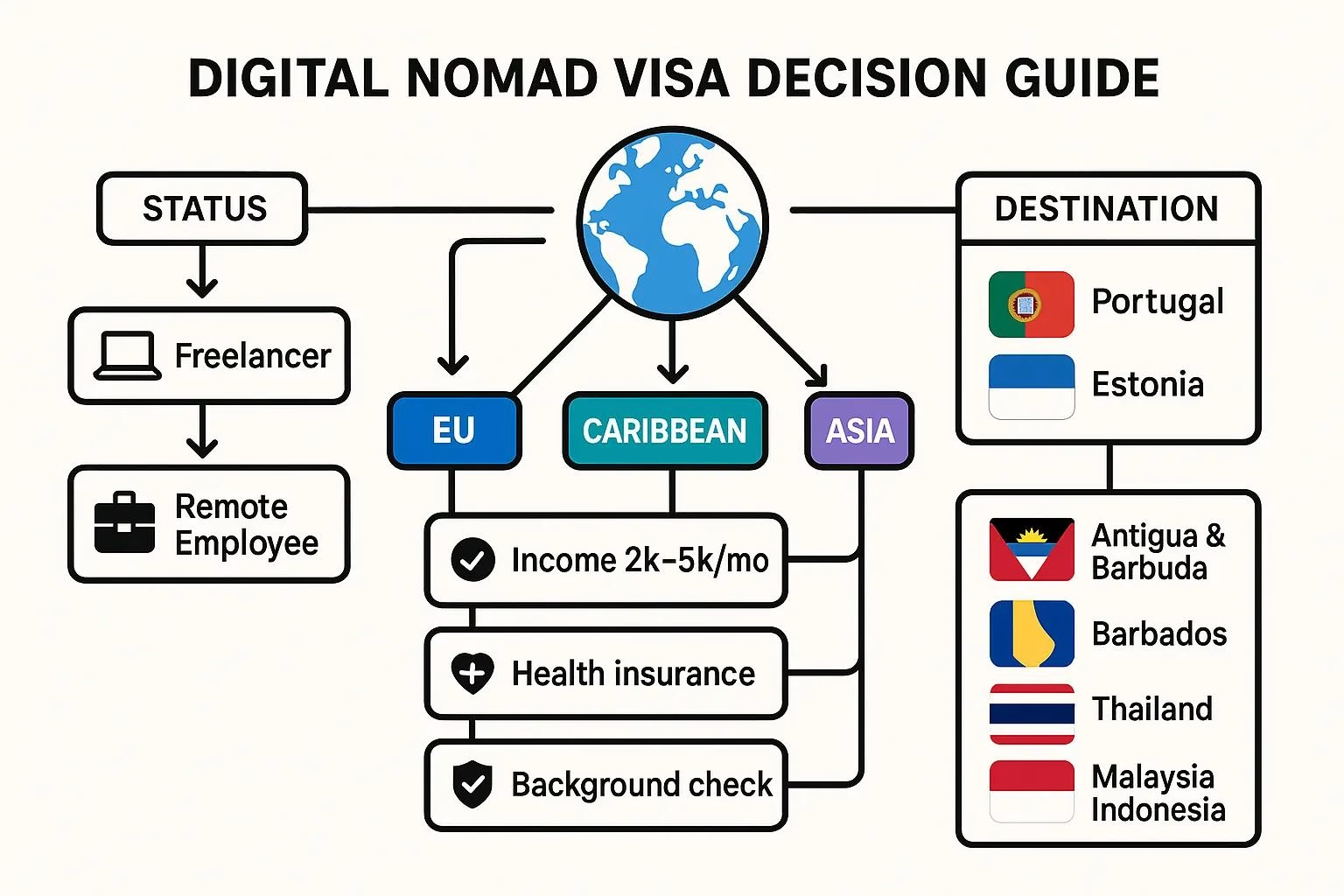
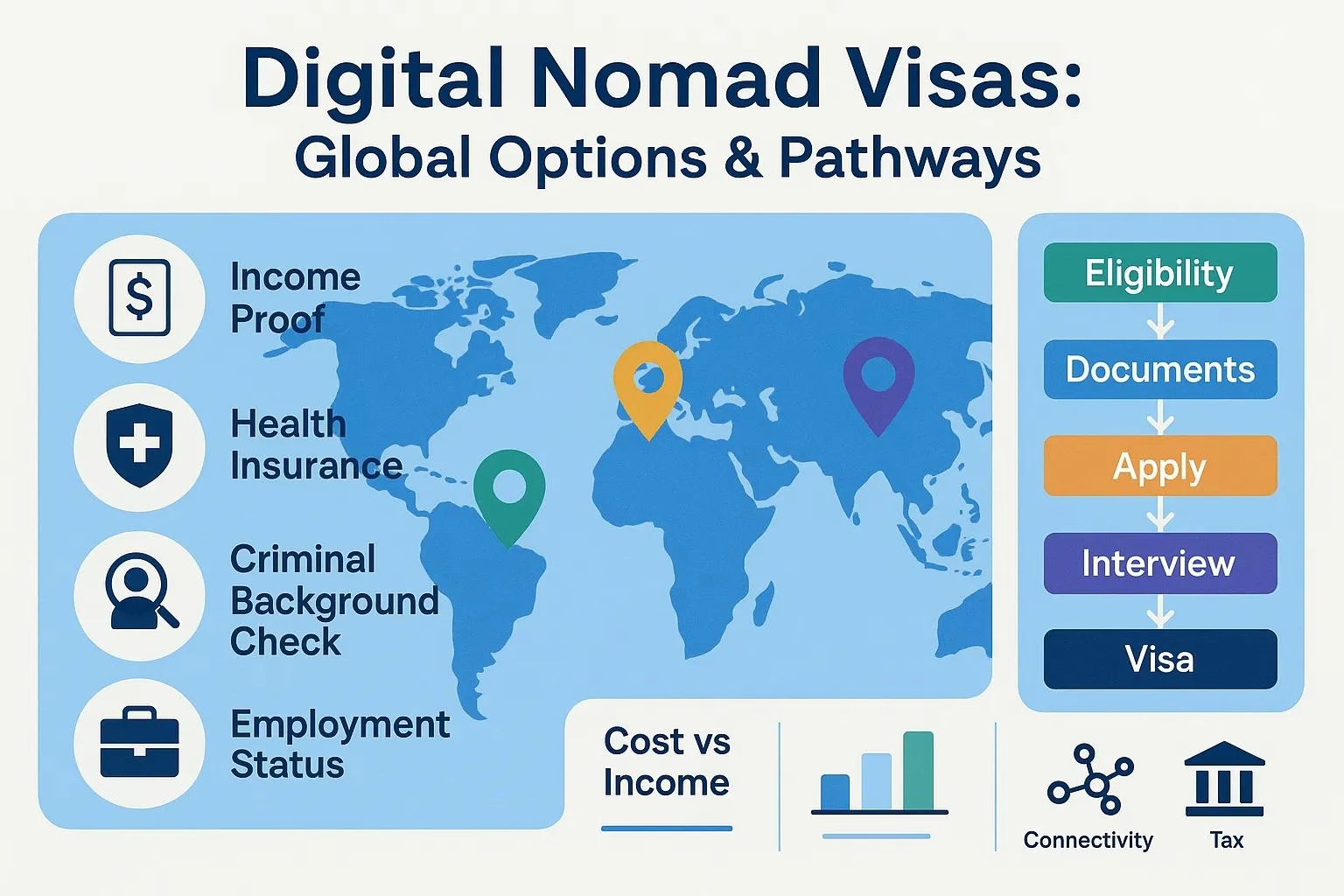
To qualify for digital nomad visas, you must meet Digital Nomad Visa Eligibility Criteria. These include proving Financial Requirements for Nomad Visas and financial stability, determining your employment status as a freelancer or remote employee, and obtaining necessary health insurance. Countries like Romania and Cape Verde offer such visas, which may lead to tax residence or permanent residency. Understanding these requirements is crucial for securing your work permit and starting your digital nomad journey.
Income and Financial Stability Requirements
To qualify for a digital nomad visa, you must demonstrate financial stability through consistent income. Countries like Georgia and Iceland set minimum monthly earnings requirements, typically ranging from $2,000 to $5,000. These Financial Requirements for Nomad Visas ensure you can support yourself without burdening local resources.
Your income sources may include remote work, freelancing, or passive investments. Argentina, for example, allows digital nomads to earn from foreign sources while residing in the country. You’ll need to provide Digital Nomad Visa Income Criteria as proof of your financial stability.
Understanding the cost of living in your chosen destination is crucial for meeting Financial Requirements for Nomad Visas. Some countries, like Georgia, offer a lower cost of living, potentially reducing the income threshold. Consider the following comparison of monthly income requirements and estimated living costs:
Employment Status: Freelancers vs. Remote Employees
When applying for digital nomad visas in countries like Barbados or Hungary, your employment status plays a crucial role in determining Nomad Visa Eligibility Criteria. As a freelancer, you’ll need to provide proof of ongoing projects or contracts with multiple clients according to the Digital Nomad Visa Income Criteria. For remote employees, you must demonstrate a stable employment relationship with a company based outside the host country.
Thailand and Mauritius have different requirements for freelancers and remote employees. In Thailand, you may need to show a portfolio of work and client testimonials as a freelancer, while remote employees must provide an employment contract. Mauritius, on the other hand, may require freelancers to demonstrate a certain level of annual income, whereas remote employees might need to prove their employer’s consent for working abroad.
It’s important to note that digital nomad visas generally don’t lead to a green card or permanent residency. However, they offer unique opportunities for both freelancers and remote employees to work legally in foreign countries. When choosing between destinations, consider how each country’s visa requirements align with your specific employment status to ensure a smooth application process.
Necessary Health Insurance and Background Checks
When applying for digital nomad visas in countries like The Bahamas, Dominica, or Norway, you’ll need to provide proof of comprehensive health insurance coverage. This requirement ensures you can access medical care without burdening the local healthcare system. Your insurance policy should typically cover emergency medical treatment, hospitalization, and potential medical evacuation.
Most digital nomad visa programs, including those in Antigua and Barbuda, require a clean criminal record. You’ll need to submit a background check from your home country or countries where you’ve resided recently. This helps host nations maintain security and ensures the integrity of their digital nomad communities.
Some countries offering digital nomad visas, such as Norway, may have additional health-related requirements. These could include proof of COVID-19 vaccination or negative test results. When planning your journey, consider the following essential steps:
- Obtain comprehensive health insurance coverage
- Secure a criminal background check from relevant countries
- Check for any specific health-related requirements or certifications
- Research coworking options in your chosen destination
- Prepare all necessary documentation well in advance of your application
You’ve learned the criteria. Now, let’s get your visa. Here’s how to apply, step by step.
Step-by-Step Guide to the Application Process
Applying for a Digital Nomad Visa involves several key steps. You’ll need to gather essential documents, submit your application, navigate potential interviews, and understand how to use your visa once approved. This process applies to various destinations, including Dubai, Bermuda, Mexico, and Latvia. Here’s a guide to help you through each stage.
Gathering Essential Documentation
When gathering essential documentation for your application to countries like Panama or Cyprus, you’ll need to compile various items. These typically include your valid passport, proof of income, bank statements, and a comprehensive health insurance policy. Ensure all documents are current and meet the specific requirements of your chosen destination.
You’ll also need to provide information about your work, such as employment contracts or client agreements, demonstrating your ability to work remotely. For countries focused on tourism, like Cyprus, you may need to show a return ticket or proof of onward travel. Keep in mind that some nations might require documents to be translated or notarized.
To streamline the application process, create a checklist of required documents based on the specific requirements of your target country. This will help you avoid delays caused by missing or incomplete paperwork. Remember that advertising your skills or business may be necessary, so prepare a portfolio or business plan if required by the visa application process.
Submitting Your Application Successfully
When submitting your digital nomad visa application for countries like Colombia or Ecuador, ensure you complete all required forms accurately and include all necessary documents. Pay close attention to specific requirements for each country, as they may vary. For instance, Colombia might require proof of your remote work status, while Ecuador may focus more on financial stability.
Consider the financial requirements in countries like Seychelles or certain African nations. These destinations often set minimum income thresholds to ensure you can support yourself during your stay. Be prepared to provide detailed financial documentation, including bank statements and proof of consistent income, to meet these criteria.
After gathering all required materials, submit your application through the channels specified by your chosen country. Some nations, like Seychelles, may offer online application processes, while others might require in-person submissions at embassies or consulates. Double-check all information before submitting to avoid delays or rejections due to errors or omissions.
Navigating Interviews and Follow-Up Requests
When applying for digital nomad visas in countries like Saint Lucia or various Asian nations, you may need to participate in interviews or respond to follow-up requests. These interviews often focus on your ability to meet the financial requirements of the host country and your plans for remote work. Prepare to discuss your income sources, work arrangements, and how you’ll contribute to the local economy.
During interviews for European digital nomad visas, you might be asked about your payroll arrangements and how you’ll manage your finances while abroad. Be ready to explain your remote work setup, including your equipment and internet connectivity plans. Some countries may require you to demonstrate a basic understanding of local laws and customs, so research your destination thoroughly before the interview.
Follow-up requests are common, particularly for popular digital nomad destinations in Asia and Europe. These requests might include additional proof of income, more detailed work contracts, or clarification on your travel plans. Respond promptly and thoroughly to these requests, providing clear and concise information to avoid delays in your visa approval.
Receiving and Utilizing Your Digital Nomad Visa
After receiving your visa, you’ll typically collect it from the diplomatic mission of your chosen country. This process may involve a final background check and verification of your documents. Once you have your visa, you can start planning your journey, balancing work commitments with the opportunity for an extended vacation in your new destination.
As you utilize your digital nomad visa, remember to maintain your remote work arrangements with your company or clients. Many countries require you to continue working for non-local entities, so keep clear records of your employment or freelance contracts. This documentation helps ensure compliance with visa conditions and supports any future visa renewals or extensions.
Your digital nomad visa opens doors for entrepreneurship and networking opportunities in your host country. While focusing on your remote work, explore local business events, coworking spaces, and communities. These connections can enrich your experience, potentially leading to new collaborations or business ventures that align with your visa status.
The world opens up when you know how to apply. Let’s explore the countries that welcome digital nomads with open arms.
Top Countries Offering Digital Nomad Visas
Discover top countries offering digital nomad visas, including European Union options to Caribbean destinations and Asian nations welcoming remote workers. Explore lesser-known locations like Albania, Namibia, and Belize. Learn about visa requirements, including bank statement needs for South Korea. This overview helps you choose the best destination for your digital nomad journey.
Exploring European Union Options
As you explore European Union options for digital nomad visas, consider countries like Estonia and Portugal, which have established programs for remote workers. These nations, both OECD members, offer attractive Nomad Visa Eligibility Criteria with streamlined application processes. You’ll need to provide specific documents, including proof of income and a valid passport, to meet their financial requirements.
When applying in the EU, you’ll often encounter similar payment structures and income thresholds. For example, Portugal‘s visa requires a minimum monthly income of €2,820, while Estonia‘s threshold is €3,504. Keep in mind that these figures may change, so always check the most up-to-date information before submitting your application.
While the United Kingdom is no longer part of the EU, it’s worth considering its options for digital nomads. The UK offers various visa types that may suit remote workers, such as the Global Talent visa or the Skilled Worker visa. However, these visas have different requirements and may not be as flexible as dedicated digital nomad visas in other EU countries.
Discovering Caribbean Nomad Destinations
When exploring Caribbean digital nomad destinations, you’ll find attractive options in Barbuda and Anguilla. These islands offer visa programs designed for remote workers, allowing you to enjoy the tropical climate while maintaining your career. As you consider these destinations, remember the financial requirements they might have, which may affect your travel plans within Europe.
While Malaysia and Japan are not in the Caribbean, they provide alternative digital nomad opportunities in Asia. If you’re looking to diversify your work locations, consider splitting your time between Caribbean islands and Asian countries. This approach can offer you a rich mix of cultures and experiences as a digital nomad.
To qualify for Caribbean digital nomad visas, you’ll typically need to meet specific income criteria and provide proof of employment or self-employment. Research each island‘s Nomad Visa Eligibility Criteria, as they may differ. For example, Barbuda‘s visa program might have different stipulations compared to Anguilla‘s, so tailor your application accordingly.
Asian Countries Welcoming Remote Workers
Asian countries are increasingly welcoming remote workers, with nations like Thailand and Malaysia offering attractive digital nomad visa options. These countries provide a unique blend of affordable cost of living and vibrant cultures, making them appealing destinations for those seeking to work near the Mediterranean Sea or explore diverse landscapes. When applying for these visas, you’ll typically need to demonstrate a stable salary, meet the Nomad Visa Eligibility Criteria, and provide a biometric passport.
Singapore and Taiwan are also emerging as digital nomad hotspots, offering modern infrastructure and high-speed internet connectivity. While these countries may have higher living costs compared to Thailand or El Salvador, they compensate with world-class amenities and business opportunities. As you consider these destinations, factor in your monthly salary requirements and potential tax implications.
Indonesia, particularly Bali, has long been a favorite among digital nomads and is developing more formal options for remote workers. The island‘s unique blend of beaches, culture, and affordable living makes it an attractive alternative to destinations like El Salvador. When planning your stay in Asian countries, consider the local cost of living, visa duration, and any specific requirements regarding income proof or health insurance.
Lesser-Known Countries With Nomad Visas
When exploring lesser-known countries with digital nomad visas, consider destinations like South Africa, which offers opportunities for remote workers seeking unique experiences. South Africa‘s digital nomad visa allows you to leverage passive income sources while enjoying diverse landscapes and vibrant cultures. The country’s progressive laws make it an attractive option for those in the technology sector.
The archipelago nation of Seychelles has recently introduced a digital nomad visa program, catering to remote workers looking for a tropical paradise. This lesser-known destination offers a unique blend of pristine beaches and modern infrastructure, making it ideal for those in the technology industry. You can benefit from Seychelles‘ favorable tax laws while working remotely in this setting.
Another emerging destination for digital nomads is Georgia, which offers a long-term visa for remote workers. The country’s low cost of living and growing technology scene make it an attractive option for those seeking to maximize their passive income. Georgia‘s visa program is particularly appealing due to its application process and flexible stay options:
Each country offers unique benefits for digital nomads. Let’s compare these visa options to find your ideal destination.
Comparing Global Digital Nomad Visa Options
When comparing global digital nomad visa options, consider duration, renewal policies, costs, and living expenses across countries like Canada and Curaçao. Evaluate internet infrastructure and connectivity to ensure a smooth work experience. Factor in cultural considerations and language barriers that may impact your stay. Understanding these aspects will help you choose the best destination for your digital nomad journey, especially in the post-pandemic landscape.
Duration and Renewal Policies Across Countries
When comparing digital nomad visa options, you’ll find varying durations across countries. For instance, Grenada offers a one-year visa, while some South American nations provide longer stays. The Cayman Islands‘ Global Citizen Concierge Program allows you to stay for up to two years, giving you time to explore and work remotely.
Renewal policies differ significantly between countries. In some cases, you can extend your stay by reapplying or meeting specific criteria. For example, certain South American countries allow multiple renewals, provided you maintain a steady income and comply with local regulations. Consider these renewal options when planning your long-term journey.
The length of your visa can impact various aspects of your stay, including online banking arrangements and tax obligations. Longer-term visas often provide more stability, allowing you to establish local bank accounts and potentially benefit from favorable tax situations. Research each country’s specific requirements and limitations to ensure you can maintain your financial affairs smoothly throughout your stay.
Cost Analysis: Visa Fees and Living Expenses
When analyzing costs for digital nomad visas, consider both visa fees and living expenses in destinations like Turkey and Antigua. Turkey‘s digital nomad visa fee is relatively affordable, while Antigua‘s may be higher but offers a tropical climate. Factor in these upfront costs when budgeting for your remote work journey.
Living expenses vary significantly between locations. Bali, for instance, offers a lower cost of living compared to Montserrat, allowing you to stretch your budget further. Research accommodation, food, and transportation costs in each destination to accurately estimate your monthly expenses and ensure your income meets financial requirements.
Climate can impact your living costs, particularly in terms of utilities and clothing. In warmer locations like Bali, you might save on heating expenses, while cooler climates may require additional spending on warm attire. Consider these climate-related costs when comparing visa options and choosing your ideal digital nomad destination.
Evaluating Internet Infrastructure and Connectivity
When evaluating internet infrastructure for your digital nomad journey, consider destinations like Montenegro and Sri Lanka. Montenegro offers reliable high-speed internet in urban areas, while Sri Lanka is rapidly improving its connectivity. Research average internet speeds and availability in your chosen location to ensure you can meet work obligations effectively.
Your travel document requirements may affect your ability to access certain services. Some countries restrict access to specific websites or apps, which could impact your work. Before selecting a destination, verify that you can access all necessary online tools and platforms without restrictions or the need for a VPN.
Language barriers can influence your internet experience in different cultures. While English is widely used online, local language websites and services may be crucial for daily life. Consider learning basic phrases in the local language to navigate digital spaces more effectively. Compare internet infrastructure across potential destinations:
Cultural Considerations and Language Factors
When considering digital nomad visas, factor in cultural differences and language barriers in your chosen destination. In Indonesia, for example, you’ll need to navigate a unique cultural landscape while potentially dealing with language challenges in daily life and work situations. Understanding local customs can help you integrate better and avoid unintentional faux pas that could impact your professional relationships.
Your employment contract may need to be adapted to comply with local regulations and cultural norms. Some countries have specific wage requirements or expectations that differ from your home country’s standards. Research these financial requirements to ensure your remote work arrangement aligns with local practices and legal requirements, particularly if you’re planning to stay long-term.
Consider how the local economy might influence your experience. Countries with developing economies may offer lower living costs but might present challenges in terms of infrastructure or business services. Conversely, more developed economies might provide better amenities but at a higher cost. Evaluate these factors alongside cultural considerations to choose a destination that best suits your work style and personal preferences.
With the global options laid out, the real challenge begins. Choosing the right nomad visa destination is a personal journey, shaped by your unique needs and aspirations.
Tips for Choosing the Right Nomad Visa Destination
When choosing your Digital Nomad Visa destination, consider your lifestyle and work needs, climate preferences, and time zone alignment. Evaluate community support and networking opportunities in places like Taiwan, the Middle East, Central America, Korea, and North Macedonia. Understand the financial requirements and tax implications in different countries to make an informed decision that suits your remote work goals.
Assessing Your Lifestyle and Work Needs
When assessing your lifestyle and work needs for a digital nomad visa destination, consider factors like cost of living and tax implications. The Netherlands, for example, offers a favorable environment for remote workers but may have higher living costs compared to some North American options. Evaluate how your potential tax return may be affected by your choice of location.
Consider the data infrastructure and internet reliability in your chosen destination. Some countries provide better connectivity than others, which is crucial for maintaining productivity. Price out essential services like coworking spaces and accommodation to ensure they align with your financial requirements and work style.
Factor in the time zone differences between your clients or employer and your potential nomad destination. This can significantly impact your work schedule and communication efficiency. Consider creating a comparison chart of potential locations:
Climate and Time Zone Considerations
When choosing your digital nomad destination, consider how climate impacts your productivity and overall well-being. Berlin‘s temperate climate might suit you if you prefer cooler temperatures, while Lisbon offers a Mediterranean climate that can boost your energy levels. Evaluate how eligibility criteria changes in your chosen location might affect your work routine and lifestyle.
Time zone alignment is crucial for maintaining efficient communication with clients or employers. If you’re working with European clients, cities like Berlin or Lisbon might offer optimal time zone compatibility. Consider how different time zones could impact your schedule and potential productivity gains or losses.
Infrastructure plays a vital role in your digital nomad experience. Both Berlin and Lisbon boast robust digital infrastructure, supporting remote work needs. However, evaluate each city’s specific offerings in terms of coworking spaces, internet reliability, and transportation options. Your investment in the right location can significantly enhance your digital nomad lifestyle:
- Assess climate impact on productivity
- Evaluate time zone compatibility with clients
- Research digital infrastructure and coworking options
- Consider seasonal changes and their effect on work routine
- Compare transportation and lifestyle amenities
Community Support and Networking Opportunities
When choosing your digital nomad destination, consider the community support and networking opportunities available in your profession. Switzerland, for example, offers a thriving ecosystem for information and communications technology professionals, providing ample chances to connect with like-minded individuals and potential collaborators. Research local coworking spaces and industry events to gauge the level of support you can expect in your chosen location.
Island destinations often foster close-knit digital nomad communities, offering unique networking opportunities. While these locations may have smaller populations, they frequently attract diverse groups of remote workers, creating dynamic environments for idea exchange and collaboration. Investigate local policies regarding initiatives and government support for digital nomads to ensure you’ll have access to the resources you need.
Many countries are implementing policies to attract digital nomads, offering high-speed internet and dedicated workspaces. Evaluate the availability of online platforms and virtual events that cater to your profession, as these can be crucial for maintaining connections and staying updated in your field, even when working from a remote island paradise.
Legal and Tax Implications in Different Countries
When choosing a digital nomad destination, consider the legal and tax implications that may affect your quality of life. Some countries offer tax exemptions for digital nomads, potentially allowing you to keep more of your income. Research local laws and double taxation agreements to understand how your earnings will be taxed while working with your laptop abroad.
Property ownership and marriage laws can significantly impact your long-term plans as a digital nomad. Some nations restrict property ownership for foreigners, while others offer favorable conditions. If you’re considering settling down or starting a family, investigate local regulations regarding marriage, residency, and property rights to ensure they align with your future goals.
Be aware of visa financial requirements and their impact on your tax residency status. Some countries may consider you a tax resident if you stay for a certain period, potentially affecting your global tax obligations. Consult with a tax professional familiar with international tax laws to optimize your financial situation and maintain compliance while enjoying the digital nomad lifestyle.
You’ve chosen your destination. Now, pack your bags and prepare for the adventure ahead.
Preparing for Life as a Digital Nomad
Prepare for your digital nomad journey by setting up an efficient remote work environment and managing finances abroad. Learn to maintain productivity while traveling and prioritize health and safety. Consider factors like lease agreements, rates, and education options in destinations like Australia. Understand potential tax breaks to optimize your nomadic lifestyle.
Setting Up Your Remote Work Environment
When setting up your remote work environment as a digital nomad, prioritize a reliable internet connection to avoid issues related to illegal immigration. Research co-working spaces in popular destinations like Chiang Mai, Thailand, which offer fast Wi-Fi and networking opportunities. Consider investing in a portable Wi-Fi device for backup connectivity, especially when working in countries like Armenia or Finland.
Equip yourself with the right tools for your marketing or other professional needs. A lightweight laptop, noise-canceling headphones, and a portable second monitor can significantly boost your productivity. When choosing accommodation in places like Chiang Mai or Armenia, look for spaces with ergonomic workstations or the flexibility to create one.
Establish a routine that adapts to different time zones, particularly when working with clients across the globe. Use productivity apps to manage tasks and track time, ensuring you meet financial requirements regardless of your location. Consider the following essentials for your digital nomad setup:
Managing Finances and Banking Abroad
When managing finances abroad as a digital nomad, consider opening an account in a digital-friendly bank that offers low international transaction fees and easy access to your funds. Research banks in popular digital nomad destinations like Goa, India, which may provide favorable terms for remote workers. Be sure to notify your home bank of your travel plans to avoid any unexpected account freezes.
To maximize your financial options, explore cryptocurrency and peer-to-peer payment platforms that cater to the digital nomad community. These alternatives can offer faster and more cost-effective ways to manage your money across borders. Additionally, consider setting up a retirement account that allows for international contributions, ensuring your long-term financial security while embracing the nomadic lifestyle.
Stay informed about local markets and trade regulations in your chosen destinations to make smart financial decisions. For example, understanding the cost of living and local currency fluctuations in Goa can help you budget effectively and potentially benefit from favorable exchange rates. Create a financial plan that accounts for both your immediate needs and future goals.
Maintaining Productivity While Traveling
When maintaining productivity while traveling as a digital nomad, establish a routine that includes dedicated work hours and breaks. This approach helps you balance your temporary work commitments with exploring new destinations like New Zealand or the Philippines. Set up a reliable email address and communication system to stay connected with clients and colleagues, ensuring you don’t miss important updates or deadlines.
To maximize your productivity, seek out coworking spaces or quiet cafes in your chosen location. These environments can provide the structure and focus you need, especially when working from bustling cities in the Philippines or serene landscapes in New Zealand. Consider using productivity apps and time management tools to track your tasks and maintain accountability while enjoying the flexibility of your digital nomad lifestyle.
Create incentives for yourself to maintain high productivity levels while traveling. This could involve rewarding completed projects with local experiences or setting personal goals tied to your work output. By linking your productivity to the unique opportunities your visa offers, you’ll find motivation to excel in your temporary work arrangements while fully embracing the cultural experiences of destinations like New Zealand and the Philippines.
Health and Safety Tips for Global Nomads
As a global nomad, prioritize your health by securing comprehensive travel insurance that covers medical emergencies and potential evacuation. Research healthcare facilities in your destination, such as France, where you might need to provide a birth certificate for certain medical services. Ensure your insurance offers adequate coverage for the internet speeds (mbps) you require to maintain your remote work capabilities while abroad. Check the requirements for your destination.
Stay vigilant about your personal safety by registering with your country’s ministry of foreign affairs before traveling. This step ensures you receive important updates and can be contacted in case of emergencies. Additionally, be cautious when responding to advertisements for accommodations or services in unfamiliar locations, as scams targeting digital nomads are increasingly common.
Maintain your mental well-being by establishing a support network in each new location. Seek out digital nomad communities or coworking spaces that offer social connections and professional networking opportunities. Remember to balance work with self-care activities, and don’t hesitate to seek local mental health resources if needed, especially when adapting to new cultures and work environments.
The road ahead was uncertain, but they were ready. Now, let’s hear from those who’ve walked this path before.
Success Stories and Case Studies
Discover inspiring success stories of digital nomads thriving in diverse locations like Prague, Serbia, and Tallinn. Learn how freelancers and remote employees from the United States and Venezuela have overcome challenges, built global networks, and explored the world. These case studies offer valuable insights into the digital nomad lifestyle, showcasing practical strategies for success in new environments.
Freelancers Thriving in New Environments
Freelancers are finding success in India, leveraging its vibrant tech hubs and affordable cost of living. You’ll discover that many digital nomads are drawn to cities like Bangalore and Goa, where robust broadband infrastructure supports remote work. Before relocating, ensure your insurance coverage includes international health benefits to protect yourself while working abroad.
When applying for visas, you’ll often find that application fees vary by country. Research these costs in advance to budget effectively for your move. Many freelancers report that the investment in visa fees is quickly offset by the lower living expenses in countries like India, allowing them to grow their businesses more rapidly.
As a freelancer, you have the flexibility to choose your employers and projects. This adaptability is key to thriving in new environments. Consider the following strategies that successful digital nomads use to establish themselves in foreign markets:
- Network with local professionals to gain insights into the business culture
- Attend industry events to showcase your skills and find new clients
- Utilize coworking spaces to maintain productivity and meet fellow entrepreneurs
- Learn basic local language skills to navigate daily life more easily
- Manage your finances carefully, accounting for currency exchange rates and international banking fees
Remote Employees Exploring the World
Remote employees are increasingly leveraging digital nomad visa programs to explore the world while maintaining their careers. You’ll find success stories of professionals working from picturesque locations like the Algarve in Portugal, where the combination of beautiful beaches and reliable internet infrastructure creates an ideal environment for remote work. When planning your journey, remember to check if you need a marriage certificate for visa applications in certain countries.
Many remote workers report improved work-life balance and increased productivity when embracing the digital nomad lifestyle. By choosing destinations with strong welfare systems, you can enjoy peace of mind regarding healthcare and social services while working abroad. Consider creating a photo journal of your experiences, similar to those found on Getty Images, to document your journey and inspire others.
Successful remote employees often emphasize the importance of maintaining strong communication with their employers and colleagues while traveling. To thrive as a digital nomad, you should establish a routine that balances work responsibilities with exploring new cultures. Here are key strategies employed by successful workers:
- Set clear expectations with your employer regarding work hours and availability
- Invest in reliable technology and backup internet solutions
- Create a portable office setup that allows for productivity in various environments
- Prioritize self-care and mental health while adapting to new surroundings
- Network with local professionals and other digital nomads to build a support system
Overcoming Challenges as a Digital Nomad
When facing challenges in Latin America, you’ll need to adapt to diverse landscapes and cultural differences. In Peru, for instance, you might encounter connectivity issues in remote areas, but you can overcome this by researching coworking spaces in major cities or investing in a portable Wi-Fi device. By embracing the local culture and learning basic Spanish, you’ll find it easier to navigate daily life and build a support network.
Managing your finances, including pensions, can be complex when working across borders. If you’re based in Budapest, you’ll need to understand how your earnings and pension contributions are affected by Hungarian tax laws. Consider consulting with an international tax expert to optimize your financial strategy and ensure compliance with both your home country and host nation regulations.
Maintaining balance can be challenging when surrounded by new experiences. To avoid burnout, establish a routine that includes dedicated work hours and exploration time. In Budapest, for example, you might set aside specific days to enjoy the city’s thermal baths or architectural wonders. By structuring your time effectively, you’ll be able to fully appreciate your nomadic lifestyle while meeting your professional obligations.
Building a Global Network of Clients and Colleagues
Building a global network as a digital nomad requires leveraging the English language and telecommunications tools to connect with clients and colleagues worldwide. You can expand your professional circle by participating in virtual conferences, joining online forums, and utilizing social media platforms tailored for business networking. By actively engaging in these digital spaces, you’ll increase your visibility and attract potential clients from diverse industries. Consider exploring the financial requirements and eligibility criteria to better understand the income criteria and the application process.
To gain authorization and build credibility in new markets, consider collaborating on research projects with local professionals or institutions. This approach not only enhances your expertise but also helps you establish a reputation in different regions. By contributing to industry-specific publications or presenting at international webinars, you’ll position yourself as a thought leader, reducing the risk of being overlooked in competitive global markets.
Successful digital nomads often create a system for managing international relationships and opportunities. Consider developing a strategy that includes regular check-ins with clients, virtual coffee meetings with colleagues, and participation in online industry events. By maintaining consistent communication and demonstrating your value across time zones, you’ll build a robust network that supports your nomadic lifestyle:
The stories inspire but questions remain. Let’s tackle the common concerns about digital nomad visas.
Frequently Asked Questions
What are the common challenges faced by digital nomads?
Digital nomads often encounter various challenges, including maintaining a stable internet connection, managing time zones, and dealing with visa regulations. The lack of a permanent home can lead to feelings of isolation, making it essential to build a support network in each new location. Additionally, navigating local laws regarding work and taxes can be complex, requiring thorough research and sometimes legal advice. Balancing work commitments with travel can also be difficult, necessitating effective time management and self-discipline to ensure productivity while exploring new cultures.
How can I find reliable accommodation as a digital nomad?
Finding reliable accommodation as a digital nomad involves utilizing platforms like Airbnb, Booking.com, or local rental websites. It\’s advisable to read reviews and check for amenities such as high-speed internet and a suitable workspace. Joining digital nomad communities on social media can provide recommendations and insights into the best neighborhoods. Additionally, consider co-living spaces that cater specifically to remote workers, offering not only accommodation but also networking opportunities and a sense of community. Always verify the terms of the lease and ensure it aligns with your travel plans.
What should I consider regarding health insurance while traveling?
When traveling as a digital nomad, securing comprehensive health insurance is crucial. Look for plans that cover international medical emergencies, routine care, and potential evacuation. Ensure the policy includes coverage for pre-existing conditions and check if it meets the requirements of the countries you plan to visit. Some digital nomads opt for specialized travel insurance that caters to remote workers, offering additional benefits like coverage for lost equipment. Always read the fine print and understand the claims process to avoid unexpected costs during your travels.
How do I manage my finances while living abroad?
Managing finances while living abroad requires careful planning and organization. Open a bank account that offers low international fees and easy access to funds. Consider using digital banking services that cater to travelers, allowing for seamless currency exchanges and online transactions. Keep track of your expenses using budgeting apps to ensure you stay within your financial limits. Additionally, familiarize yourself with local tax laws to avoid any legal issues. Setting up automatic payments for recurring expenses can also help maintain financial stability while you focus on your work and travel.
What are the best practices for maintaining productivity while traveling?
To maintain productivity while traveling, establish a consistent work routine that includes dedicated hours for work and breaks for exploration. Choose accommodation with reliable internet and a comfortable workspace. Utilize productivity tools and apps to manage tasks and deadlines effectively. Setting clear goals for each work session can help you stay focused. Additionally, consider co-working spaces to create a structured work environment and connect with other professionals. Balancing work with leisure is essential, so schedule time for relaxation and cultural experiences to avoid burnout.
How can I stay connected with other digital nomads?
Staying connected with other digital nomads can enhance your experience and provide valuable support. Join online communities and forums dedicated to digital nomadism, such as Facebook groups or platforms like Nomad List. Attend local meetups, workshops, or co-working events to network with like-minded individuals. Many cities have co-living spaces that foster community among remote workers, offering opportunities for collaboration and friendship. Engaging in social media can also help you find local events and connect with fellow nomads in your current location, enriching your travel experience.
Can I Bring Family Members With Me?
Many digital nomad visas allow you to bring family members, but the rules vary by country. In Aruba, for example, you can include your spouse and dependent children in your application, provided you meet the financial requirements. As a consultant or remote worker, you’ll need to demonstrate sufficient profit to support your family while residing on the island.
When considering renting accommodation for your family, research local regulations regarding aliens (non-citizens) leasing property. Some countries may have restrictions or additional requirements for foreign renters. It’s essential to factor in these considerations when planning your digital nomad experience with family members.
Keep in mind that bringing family members may affect your visa application process and costs. You’ll likely need to provide additional documentation, such as marriage certificates or birth certificates, for each family member. Additionally, ensure your health insurance coverage extends to all family members accompanying you on your digital nomad journey.
What if My Application Is Denied?
If your digital nomad visa application is denied, don’t despair. Review the rejection reasons carefully, as they often relate to incomplete personal data or insufficient proof of income. Consider addressing these issues and reapplying, ensuring all required documentation is complete and accurate. Remember, many countries value the standard of living digital nomads can bring, so persistence may pay off.
While waiting to reapply, explore alternative destinations that might better suit your situation. Some countries offer more lenient requirements or have a cuisine and culture that appeals to Generation Z digital nomads. Use this time to research and photograph potential locations, building a portfolio that showcases your ability to work remotely and contribute to local communities.
Consider seeking professional assistance for your next application. Immigration lawyers or specialized digital nomad visa services can help you navigate the process, increasing your chances of approval. They can provide insights into common pitfalls and help you present your application in the most favorable light, addressing any concerns about your ability to maintain the required standard of living while working remotely.
How Do Taxes Work for Digital Nomads?
As a digital nomad, your tax obligations can be complex and vary depending on your home country and the locations where you work. You should consult a tax advisor familiar with international tax laws to understand your specific situation. This is especially important if you’re considering startup visa options in Nordic countries or Singapore, as treaties and local regulations can significantly impact your budget.
Many digital nomads find that their tax liability depends on factors such as the duration of their stay in each country and their tax residency status. Some nations, like Singapore, offer attractive tax rates for qualifying individuals, which can be beneficial for your budget. However, it’s crucial to maintain accurate records of your travel dates, income sources, and expenses to ensure compliance with tax laws in all relevant jurisdictions.
To optimize your tax situation as a digital nomad, consider strategically planning your travel schedule and residency choices. Some countries offer special tax incentives for digital nomads or have favorable tax treaties that can minimize your overall tax burden. By working with a knowledgeable tax advisor and carefully budgeting for potential tax liabilities, you can make informed decisions about where to base your digital nomad lifestyle, whether in Nordic countries, Singapore, or other global destinations.
Is It Possible to Extend or Renew My Visa?
Many digital nomad visas offer extension or renewal options, but the process varies by country. In Belgium, for example, you may need to provide an updated rental agreement and proof of continued stability to extend your stay as a skilled worker. Research the specific requirements for your chosen destination well before your visa expires to ensure a smooth transition.
When considering a visa extension, factor in the potential impact on your finances and tax obligations. Some countries in the Indian Ocean region offer attractive long-term visa options for digital nomads, but you may need to demonstrate a higher income threshold or make additional investments to qualify. Consult with a local immigration expert to understand the financial implications of extending your stay.
Be prepared to showcase your contributions to the local economy when applying for a visa extension. Countries like Belgium often look favorably upon digital nomads who have integrated well into the community and can prove their value as skilled workers. Document your professional accomplishments, any local collaborations, or community involvement to strengthen your case for a visa renewal.
What Are the Restrictions on Local Employment?
When you obtain a digital nomad visa, you typically face restrictions on local employment in your host country. Most visas, including those in Southeast Asia, prohibit you from working for local companies or engaging in direct competition with local businesses. You must maintain your remote work or freelance activities with clients or employers outside the host country to comply with visa regulations.
Understanding currency exchange and financial regulations is crucial when navigating local employment restrictions. For instance, if you’re considering Svalbard as a destination, you’ll need to be aware of its unique economic situation and how Brexit might affect your ability to work remotely from this Arctic archipelago. Always check the specific terms of your visa and consult with local authorities to ensure compliance.
To stay informed about changes in employment restrictions and visa policies, consider subscribing to newsletters from official government sources or reputable communities. These resources can provide valuable updates on evolving regulations, especially in rapidly changing markets like Southeast Asia, helping you adapt your work arrangements and maintain legal status throughout your digital nomad journey.
Frequently Asked Questions
What is a digital nomad visa and how does it differ from other visas?
A digital nomad visa is a special permit that allows remote workers to live and work in a foreign country for an extended period. Unlike traditional work visas, it caters specifically to location-independent professionals who earn income from sources outside the host country. Digital nomad visas typically offer more flexibility than tourist or business visas, allowing longer stays and the ability to conduct remote work legally. They often have simpler application processes and fewer restrictions compared to traditional work visas, making them attractive for digital professionals seeking international experiences.
What are the typical eligibility requirements for obtaining a digital nomad visa?
Digital nomad visa eligibility typically requires proof of remote employment or self-employment income. Applicants must demonstrate a stable monthly income, often ranging from $1,000 to $3,000, depending on the country. Many visas also require valid health insurance coverage for the duration of the stay. Most countries set a minimum age requirement, usually 18 or 21 years old. Applicants generally need a clean criminal record and a valid passport with at least six months remaining before expiration. Some nations may require proof of accommodation or a return ticket as part of the application process.
Which countries currently offer digital nomad visas for remote workers?
Several countries now offer digital nomad visas to attract remote workers. Popular options include Estonia, Croatia, Portugal, Costa Rica, and Mexico. These visas allow digital nomads to legally work and stay in the country for extended periods, usually ranging from six months to two years. Other nations with digital nomad visa programs include Barbados, Dubai, Georgia, Thailand, and Spain. Each country has specific requirements, such as proof of income, health insurance, and background checks. It’s important to research the latest regulations as visa policies can change frequently.
How long does the application process usually take for a digital nomad visa?
The application process for digital nomad visas typically takes between 2 to 8 weeks, depending on the country and the completeness of your application. Some nations offer expedited processing for an additional fee, which can reduce the waiting time to as little as 5-10 business days. Factors affecting processing time include the volume of applications, the complexity of your case, and the efficiency of the issuing country’s immigration system. It’s advisable to apply well in advance of your intended travel date to account for potential delays or requests for additional documentation.
Can you work for any company while on a digital nomad visa?
Digital nomad visas typically allow you to work remotely for foreign companies or as a freelancer. However, restrictions vary by country. Some visas may prohibit working for local companies or require you to maintain employment with a foreign entity. It’s crucial to carefully review the specific requirements and limitations of each country’s digital nomad visa program. Some nations may have restrictions on the duration of stay, income thresholds, or the type of work permitted. Always consult official sources for accurate information.
Conclusion
Digital nomad visas offer unprecedented opportunities for remote workers to explore the world while maintaining their careers. Understanding the criteria, application process, and global options is crucial for successfully navigating this lifestyle and choosing the best destination for your needs. By carefully considering factors such as visa duration, cost of living, internet infrastructure, and tax implications, you can optimize your digital nomad experience and avoid potential pitfalls. Ultimately, digital nomad visas represent a transformative shift in how we approach work and travel, empowering individuals to build global networks, enhance their skills, and embrace a truly flexible and fulfilling professional life.
Related posts:
Search Search All LanguagesEnglish
$0.99
$0.99
$0.99
$0.99
$0.99