Table Of Contents:
- Discover Traditional Penang Desserts and Snacks: A Culinary Journey
- Key Takeaways
- Introduction to Penang\’s Sweet and Savory Delights
- The Cultural Significance of Traditional Snacks
- A Blend of Malay, Chinese, and Indian Influences
- Must-Try Traditional Penang Desserts
- Savoring Chendol: A Coconut and Palm Sugar Symphony
- Enjoying Ais Kacang: Malaysia\’s Favorite Shaved Ice
- Relishing Bubur Cha Cha: A Colorful Coconut Milk Dessert
- Tasting Kuih Lapis: The Layered Rice Cake Treat
- Iconic Penang Street Snacks You Can\’t Miss
- Sampling Pisang Goreng: Golden Fried Bananas
- Indulging in Apom Balik: The Local Pancake
- Experiencing Popiah: Fresh Spring Rolls With a Twist
- Trying Keropok Lekor: Traditional Fish Crackers
- Exploring the Best Spots for Authentic Flavors
- Navigating Penang\’s Vibrant Street Markets
- Hidden Gems: Local Eateries Off the Beaten Path
- Insider Tips on Finding the Best Vendors
- Making Traditional Penang Desserts at Home
- Making Traditional Penang Desserts at Home
- Easy Recipes for Classic Treats
- Essential Ingredients and Where to Find Them
- Step-by-Step Guide to Perfecting Kuih Muih
- Embracing the Culinary Journey in Penang
- Participating in Local Food Festivals
- Understanding the Stories Behind Each Dish
- Connecting With the Community Through Cuisine
- Conclusion
Discover Traditional Penang Desserts and Snacks: A Culinary Journey
When you think of Penang, your mind might race to its famous street food or vibrant culture, but its desserts and snacks deserve equal attention. From the crispy goodness of pork buns to the refreshing shaved ice treats that can cool you down, Penang offers a delightful array of flavors. In this guide, you’ll discover must-try traditional desserts, iconic street snacks, and tips on where to find these authentic bites. Whether you\’re looking to experience Malaysia\’s unique culinary heritage or simply satisfy your snack cravings, this journey will enhance your taste buds and broaden your culinary skills.
Key Takeaways
- Penang\’s snacks reflect a rich blend of Malay, Chinese, and Indian culinary traditions
- Sharing traditional desserts fosters community connections and celebrates cultural heritage in Penang
- Local food festivals showcase the diversity of Penang\’s cuisine, highlighting authentic dishes and flavors
- Engaging with vendors provides insight into the unique stories behind each dish and ingredient
- Preparing Penang\’s treats at home allows you to connect with the region\’s rich culinary history
Introduction to Penang\’s Sweet and Savory Delights

Traditional snacks in Penang from Penang Expat Guide carry immense cultural significance, reflecting a vibrant blend of Malay, Chinese, and Indian influences. From the rich sweetness found in desserts to the savory depth powered by flavors like shrimp paste and Hokkien butter dishes, these treats showcase the region\’s culinary heritage. You’ll explore various snacks that not only satisfy your taste buds but also tell stories of Penang\’s diverse history Pilgrim Traveler.
The Cultural Significance of Traditional Snacks
Traditional snacks in Penang are more than just food; they are a reflection of the rich cultural tapestry that defines the region. Each bite carries flavors from various communities, like Malay, Chinese, and Indian, making them deeply significant to local identity. For instance, a bowl of sweet, pandan-infused cake features hints of vanilla, demonstrating how traditional elements meld into delightful treats that celebrate diversity.
As you explore the streets of Penang, you’ll find chefs crafting snacks that tell stories through their ingredients. Many desserts, such as chocolate cake drizzled with condensed milk, highlight how simple ingredients can be transformed into cultural symbols. The care and skill of the chefs making these treats reveal a passion for preserving culinary heritage, connecting people through shared experiences around food.
Moreover, these snacks often play a role in celebrations and rituals, making them even more special. Whether it\’s sharing a bowl of sweet dumplings during festivals or enjoying savory spring rolls during gatherings, these foods foster a sense of community. Each time you savor a bite, you participate in a tradition that echoes the history and vibrancy of Penang, enriching your culinary journey.
A Blend of Malay, Chinese, and Indian Influences
Penang stands out for its diverse food scene, shaped by Malay, Chinese, and Indian influences over centuries. Each community brings its own unique ingredients and techniques, blending harmoniously to create mouthwatering desserts and snacks. For instance, you\’ll find rice flour used in numerous delicacies, giving a chewy texture that enhances the overall experience of the treats.
One perfect example is the traditional Malay kuih, which often features longan or rich custard, adding sweetness and depth. Chinese contributions, like dumplings, showcase a savory side with ingredients such as mashed potato, making them a popular favorite. You’ll discover how these varied influences come together to create an exciting array of flavors and textures that define Penang’s culinary landscape.
Exploring snacks from this region is like uncovering pieces of history. You\’re not just enjoying a treat; you’re also tasting stories from different cultures that influenced the food. With every bite, you engage with Penang’s vibrant past, which continues to thrive in its diverse culinary offerings:
- Malay kuih made with rice flour.
- Sweet longan and custard desserts.
- Savory snacks featuring mashed potato from Chinese cuisines.
In Penang, every meal ends with a sweet note that lingers. You can\’t leave without tasting the traditional desserts that tell their own delicious story.
Must-Try Traditional Penang Desserts

Ready to dive into the sweet side of Penang? You can\’t miss the refreshing Chendol, a coconut and palm sugar delight that’s perfect on a hot day. Then there’s Ais Kacang, Malaysia’s beloved shaved ice treat topped with colorful syrups. Don’t forget to relish Bubur Cha Cha, a vibrant coconut milk dessert, and taste Kuih Lapis, a layered rice cake. Each of these traditional desserts offers a unique flavor, connecting you deeper to Penang\’s rich culinary heritage.
Savoring Chendol: A Coconut and Palm Sugar Symphony
When you think of Chendol, picture a refreshing dessert that perfectly balances the sweetness of palm sugar with the creaminess of coconut milk. It’s one of those treats that feels just right, especially during hot days in Penang. You’ll find a delightful mix of textures with the green jelly noodles, often made from pandan leaves, making every spoonful a true delight.
As you savor Chendol, you might enjoy additional toppings like red beans or crushed ice, enhancing the experience. Some places even add a poached egg for a unique twist—this merges the familiar with the adventurous, pushing the boundaries of traditional desserts. Think about how the creamy coconut meets the nutty flavor of peanuts, creating a satisfying aftertaste that lingers pleasantly.
The roots of Chendol go beyond local fare, drawing influences from various cuisines, even touching on aspects of Thai cuisine with its use of similar ingredients. Each serving is not just dessert; it’s an invitation to discover Penang’s vibrant food culture. If you happen to be visiting in December, Chendol vendors are abundant, making it the perfect season to indulge and connect with the region’s culinary heritage.
Enjoying Ais Kacang: Malaysia\’s Favorite Shaved Ice
Ais Kacang, often referred to as Malaysia\’s favorite shaved ice, is a true delight that you must experience in Penang. This colorful dessert is layered with finely shaved ice and topped with a mix of sweet syrups, beans, and fruits, creating a refreshing treat perfect for hot days. You’ll find it served in a bowl, often garnished with toppings like sweet corn or condensed milk, making each spoonful a delicious blend of flavors and textures.
When indulging in Ais Kacang, consider its versatility—just as Italian cuisine incorporates various ingredients like pistachios or berries, Ais Kacang offers you the freedom to customize your dessert. You can add ingredients that resonate with your taste, making it a unique creation every time. Enjoying this dessert in Penang is an experience that celebrates not just local flavors but brings in influences from around the world, echoing the culinary mesh that defines the region.
While enjoying Ais Kacang in a rattan basket or under a vibrant stall, you\’re not just tasting a dessert; you\’re engaging with Penang’s rich food culture. It’s a connection to how sweets and pastries play a role in community gatherings and celebrations. So next time you\’re in Penang, don’t miss out on this refreshing treat—it’s a perfect way to cool down and enjoy a bit of local history with every bite.
Relishing Bubur Cha Cha: A Colorful Coconut Milk Dessert
Bubur Cha Cha is a delightful dessert that you must try when in Penang. This colorful dish features sweet potatoes and pandan-flavored rice flour balls, also known as klepon, all floating in creamy coconut milk. Each spoonful offers a wonderful blend of textures and flavors, making it a satisfying treat that perfectly encapsulates the essence of Malaysian cuisine.
When you indulge in Bubur Cha Cha, you’ll find that it not only satisfies your sweet tooth but also tells a story about the multicultural influences of the region. The creamy coconut milk combined with the chewy dumplings creates a comforting dessert you can enjoy any time of the day. Plus, these flavors resonate with other traditional dishes such as bak kut teh, showcasing the diversity of Penang\’s culinary offerings.
As you explore the local markets, you\’ll notice how popular Bubur Cha Cha is among visitors and residents alike. It’s a dish often shared during celebrations, connecting people over a bowl of deliciousness. Don’t be surprised if a stall or café has a sign with an email address for order inquiries; locals love this dessert and want to make it accessible to everyone. Experience it for yourself, along with other treats like prawn crackers or refreshing iced drinks borrowed from Vietnamese cuisine, and you\’ll truly appreciate the culinary journey Penang has to offer.
Tasting Kuih Lapis: The Layered Rice Cake Treat
Kuih Lapis is one of those must-try desserts that you simply can\’t miss when exploring Penang. This delightful layered rice cake treats you to a chewy texture and is made with rice flour, coconut milk, and sugar, giving it a sweet flavor profile that many enjoy. The layers are often colored vibrantly, making it as pleasing to the eye as it is to your palate. You\’ll find its subtle sweetness perfectly balanced with the depth of the almond and fragrant pandan leaf, creating a pleasant experience with each bite.
Making Kuih Lapis is an art, as the layers are steamed one at a time, allowing the dessert to develop its unique texture. If you’re keen to try your hand at this dessert, you can easily find recipes that include simple ingredients like gula (sugar), rice flour, and coconut milk. Pairing this treat with a cup of tea or coffee can elevate your tasting experience, and when given the chance, don’t hesitate to enjoy it alongside traditional snacks like apam balik or savory mee dishes.
As you dig into Kuih Lapis, consider how it represents the rich culinary traditions of Penang. This layered treat often celebrates local tastes during festivals and gatherings, appealing to both locals and tourists alike. By enjoying this dessert, you\’re connecting with the community and indulging in a sweet slice of history that highlights the influences of Malay, Chinese, and Indian cuisine in this vibrant region:
After indulging in those sweet traditional treats, your taste buds are ready for more. Next, let’s explore the iconic street snacks of Penang that offer bold flavors and a true slice of local life.
Iconic Penang Street Snacks You Can\’t Miss

As you explore Penang’s vibrant food scene, don\’t miss the chance to sample iconic street snacks that are local favorites. You’ll want to try Pisang Goreng, which are golden fried bananas that deliver a satisfying crunch. Indulge in Apom Balik, the local pancake, perfect for a sweet treat. Experience Popiah, fresh spring rolls with a twist, and enjoy Keropok Lekor, traditional fish crackers that add a tasty crunch to your snack adventures.
These delicious bites not only showcase the culinary diversity of Penang but also reflect influences from cuisines like Indonesian and Japanese, giving you a real taste of the area\’s rich history and culture. Get ready to dive into these delectable snacks!
Sampling Pisang Goreng: Golden Fried Bananas
Pisang Goreng, or golden fried bananas, is a must-try street snack that you\’ll find all over Penang. These crispy delights start with ripe bananas that are coated in a light batter and deep-fried to perfection, creating a satisfying crunch that pairs well with their natural sweetness. Whether enjoyed on their own or with a sprinkle of granola, this snack offers a taste of pure joy that can brighten your day.
You might also come across variations of Pisang Goreng served with intriguing dips like a homemade hot chocolate sauce, which adds a rich, indulgent twist. For those who enjoy a creamy contrast, try it alongside a milkshake for a quick and delightful pairing. If you\’re feeling adventurous, consider also sampling sweet potato fritters as an alternative; they provide a similar crunch and sweetness with a unique flavor profile that\’s equally satisfying.
Indulging in Apom Balik: The Local Pancake
When you bite into an Apom Balik, you\’ll experience a delightful local pancake that has a soft, fluffy texture. This iconic Penang snack often features a crispy outer layer with a hint of sweetness, making it a popular choice among both locals and travelers. Many stalls offer various fillings such as peanuts, chocolate, or even a unique spin with Milo, giving you a personal touch to each pancake you try.
Traditionally served with sesame seeds sprinkled on top, Apom Balik can be enjoyed with a side of freshly brewed espresso for a delightful pairing. The combination of flavors elevates the snacking experience, making it even more satisfying. Whether you\’re grabbing a quick bite on the go or enjoying it at a local café, this pancake is sure to hit the spot after exploring other treats like Ais Kacang.
As you savor each bite, think about the balance of textures—the soft interior contrasting with the crispy edge. Just like sourdough captures the essence of artisanal baking, Apom Balik embodies the street food culture of Penang, showcasing local ingredients and creativity. You\’ll find that indulging in this simple yet delicious pancake is a must for anyone looking to fully experience the culinary journey of Penang.
Experiencing Popiah: Fresh Spring Rolls With a Twist
When you’re in Penang, trying Popiah is a must. These fresh spring rolls are often filled with a delightful mix of ingredients, including mung bean sprouts, crispy vegetables, and sometimes even tofu. The soft, thin wrapper makes it easy to dive into this snack, allowing you to enjoy the crunchiness and freshness of the fillings with every bite.
Popiah can come with various twists, depending on where you try them. Some vendors might add unique components like a dash of chili sauce or even layers of Sarawak layer cake to create a sweet contrast. This flexibility makes Popiah a versatile street snack, appealing to different taste preferences and giving you a chance to explore various flavor profiles.
As you savor Popiah, take a moment to appreciate its cultural significance. It’s not just a quick bite; it\’s a dish that joins many food traditions. Often enjoyed alongside other street favorites like oyster omelette, Popiah connects you deeper to Penang’s vibrant culinary landscape, allowing you to taste the city\’s diverse flavors in one delicious roll.
Trying Keropok Lekor: Traditional Fish Crackers
Keropok Lekor is a must-try when you\’re in Penang, offering an addictive crunch that’s hard to resist. These traditional fish crackers are made from a blend of fish and flour, shaped into long tubes, and deep-fried until golden. You’ll find them served with a side of chili sauce for dipping, providing a delightful balance of flavors that complements the savory taste of the crackers.
When enjoying Keropok Lekor, consider how they pair deliciously with local snacks. Many people enjoy them alongside peanut butter spread on bread or even coconut jam as a unique twist on traditional flavors. If you’re in the mood for something sweet, you might even want to chase these crackers with a slice of layer cake or a warm bowl of soup for a well-rounded snack experience.
As you savor Keropok Lekor, take the time to appreciate the craftsmanship behind these bites. Vendors often prepare them traditionally, emphasizing fresh ingredients and time-honored techniques. Next time you\’re sampling street food in Penang, don\’t overlook these delightful fish crackers; they\’re a tasty insight into the local culinary culture.
- Try Keropok Lekor for a crunchy, savory snack.
- Pair it with peanut butter or coconut jam for a unique taste.
- Enjoy a slice of layer cake or a soup to complete your meal.
The street snacks of Penang tell stories of rich culture and tradition. Now, let’s seek out the best spots where these authentic flavors truly come alive.
Exploring the Best Spots for Authentic Flavors

When it comes to exploring Penang\’s culinary scene, navigating vibrant street markets is a must. You\’ll discover hidden gems among local eateries that serve up authentic dishes like rice vermicelli and tantalizing soy-based snacks. We’ll also share insider tips for finding the best vendors where you can enjoy a refreshing teh tarik or local juice, making your foodie journey unforgettable.
Navigating Penang\’s Vibrant Street Markets
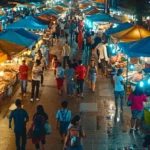
Navigating Penang\’s vibrant street markets is like diving headfirst into a world of flavors and aromas. You\’ll find food stalls buzzing with energy and offering authentic dishes that showcase the region\’s rich culinary heritage. Keep an eye out for stands serving palm wine, a local favorite that pairs perfectly with savory snacks, adding a refreshing twist to your street food adventure.
As you stroll through the markets, don\’t miss the chance to sample Idiyappam, a popular dish made of rice flour that\’s often served with coconut milk and sweet syrup. The combination of flavors creates a comforting experience that\’s hard to resist. Look for stalls that offer tasty sambal sauces—you’ll find these spicy dips complement many dishes and elevate your snacking game.
Your culinary journey wouldn’t be complete without exploring Peranakan cuisine, another highlight of Penang’s street food scene. This unique blend of Malay and Chinese flavors brings traditional dishes to life. Make sure to chat with the vendors, as they often share the stories behind the food and the recipes passed down through generations, giving you deeper insight into the vibrant culture of Penang.
Hidden Gems: Local Eateries Off the Beaten Path
If you’re keen to find hidden gems in Penang, consider wandering into local eateries that often showcase traditional flavors. You might stumble upon a small shop selling glutinous rice desserts wrapped in banana leaves—these treats highlight how simple ingredients can turn into something special. Here, the blend of sweet corn adds an unexpected twist that you won’t want to miss.
As you explore, don’t shy away from places a bit off the main road. Some of these eateries bring the authentic taste of Southeast Asia straight to your plate, offering sweets and snacks made from flour and coconut. These establishments often have recipes passed down through generations, meaning every bite connects you to the rich culture and culinary heritage of the region.
Be sure to chat with the locals while you’re out and about. They can point you toward delightful spots where you can enjoy everything from savory rice cakes to sweet, creamy puddings that showcase the essence of Penang’s diverse food scene. By digging a little deeper beyond the popular tourist spots, you’ll discover the heart of Penang’s food culture, filled with unique flavors that tell a story with every taste.
Insider Tips on Finding the Best Vendors
To find the best street food vendors in Penang, start by exploring local markets, especially in vibrant areas like Georgetown. Keep an eye out for bustling stalls where locals gather. When you see a long line of customers, that\’s usually a good sign you\’re about to discover some authentic treats that reflect the heart of Penang\’s culinary scene.
Don’t hesitate to chat with the vendors; they often share stories behind their dishes. Many of them have been perfecting their recipes for years, and their passion for food shines through in their offerings. You might encounter unique items that blend influences from neighboring regions like Kedah, showcasing flavors that are distinctly Penang while honoring their roots.
Another insider tip is to scout out vendors who have received praise or credit from food blogs or locals. Social media can be a great resource—search for posts that highlight popular street food spots. By doing a little research ahead of time, you’ll not only save time but also enhance your culinary journey, tasting the best traditional desserts and snacks that Penang has to offer.
The flavors lingered, rich and memorable, awakening a desire to recreate them at home. Dive into the world of traditional Penang desserts and learn how to bring those authentic tastes into your own kitchen.
Making Traditional Penang Desserts at Home

Making Traditional Penang Desserts at Home
Ready to bring the flavors of Penang right into your kitchen? You’ll find easy recipes for classic treats like Kuih Muih that use essential ingredients found at your local hawker centre or market. We’ll lead you through a step-by-step guide to perfect not just green bean dishes but also delightful treats featuring buttermilk and bean flavors. Get your aprons on and let’s get started!
Easy Recipes for Classic Treats
If you’re looking to recreate some of Penang\’s famous treats at home, start with a simple and delicious yam dessert. You can easily make a yam cake by steaming mashed yam combined with rice flour and water. Once it’s cooked, add a light caramel sauce for a sweet touch that enhances the dish\’s flavor. This dessert not only brings authentic Penang flavors into your kitchen but also gives you the satisfaction of enjoying a homemade treat.
Another delightful option to try is roti, a flaky bread that\’s perfect for breakfast or as a snack. You can make your own roti by mixing flour, a bit of salt, and water, then rolling and frying it until golden. Serve it with your favorite dipping sauce or some sweetened condensed milk to mimic the flavors found at local food stalls. This easy-to-make dish will surely impress your family or friends and transport them straight to the vibrant streets of Penang.
Lastly, if you’re a fan of noodles, consider preparing a vermicelli dish topped with unagi. Simply stir-fry the vermicelli noodles with a mix of vegetables and add grilled unagi for a savory touch. Drizzle some soy sauce to enhance the flavors, offering a well-rounded meal that captures the essence of Penang\’s culinary diversity. Trying your hand at these classic recipes not only satisfies your cravings but also deepens your connection to local food culture.
Essential Ingredients and Where to Find Them
When you\’re ready to recreate traditional Penang desserts, knowing where to find essential ingredients is key. For many recipes, you\’ll need coconut cream, rice flour, and pandan leaves. Most local grocery stores or markets usually stock these items, but specialty Asian grocery stores can offer a wider selection, making your cooking experience smoother.
Don\’t overlook the importance of quality ingredients when baking. Using fresh coconut cream can really elevate the flavor of your desserts, giving them that authentic taste you\’re aiming for. Consider checking small markets or health food stores for organic options, which often offer products like oat flour that you can substitute for traditional all-purpose flour in some recipes.
To help you get started on your culinary journey, here’s a quick checklist of the must-have ingredients:
- Rice flour
- Coconut cream
- Pandan leaves
- Oat flour
- Brown sugar or palm sugar
- Sweet potatoes
Step-by-Step Guide to Perfecting Kuih Muih
Perfecting Kuih Muih starts with gathering the right ingredients. You’ll want to stock up on essentials like rice flour, coconut milk, and palm sugar to recreate those authentic Penang flavors. If you\’re feeling adventurous, consider adding a hint of shrimp or other local delights, which can elevate the dish and connect you to Penang\’s diverse culinary landscape.
Once you\’ve got everything ready, it’s time to experiment in the kitchen. Start by blending your rice flour with coconut milk to form a smooth batter. As you pour the mixture into your steamer, keep an eye on the texture; overcooking can be a common pitfall. The Peranakans and Overseas Chinese communities have handed down many tips, so try using their techniques to achieve that perfect chewy consistency.
After steaming, let your Kuih Muih cool before cutting it into squares. You might enjoy serving this delightful treat with a drizzle of sweet syrup or even a scoop of tongue-in-cheek tongue sui. In this way, you can explore the intersection of flavors inspired by different cuisines, including elements from French cuisine that might surprise your taste buds. Get ready to enjoy a piece of Penang history right from your kitchen!
As you savor the taste of those colorful desserts, a deeper culinary adventure awaits you. It\’s time to explore the vibrant food scene that defines Penang, where every dish tells a story.
Embracing the Culinary Journey in Penang

Participating in local food festivals gives you the chance to savor authentic dishes like roti canai and rice noodles, all while enjoying the lively hawker atmosphere. Understanding the stories behind each dish enriches your dining experience, connecting you with the culture of South India and the local community. Through these culinary explorations, you’ll see how food fosters a sense of belonging in Penang.
Participating in Local Food Festivals
Participating in local food festivals in Penang is your chance to dive into the heart of its culinary scene. You\’ll find traditional dishes like nasi lemak, a fragrant rice dish cooked in coconut milk, served alongside spicy sambal and crispy anchovies. Each festival showcases the rich flavors of the region, making it a perfect opportunity to taste a variety of desserts and snacks all in one place.
As you wander through the vibrant stalls, don’t forget to grab a bowl of porridge, a staple comfort food enjoyed by locals. It’s often served with toppings that reflect the community\’s flavors, such as savory meats or spicy sauces. Experiencing these local delicacies at a festival is not just about the food; it\’s about connecting with the culture and the stories behind each dish.
Popiah is another must-try during the festivals, offering a fresh and flavorful spring roll experience. Engaging with vendors and learning about how these favorites are prepared adds an extra layer to your culinary journey. You’ll leave the festival not only with a full stomach but also richer knowledge about Penang’s diverse culinary landscape:
- Try traditional nasi lemak with sambal.
- Sample comforting bowls of porridge, customized with various toppings.
- Indulge in fresh popiah to taste the local flavors.
Understanding the Stories Behind Each Dish
When you bite into a traditional dessert in Penang, you\’re not just enjoying a treat; you\’re tasting history. Each dish, from the delightful steamed coconut cakes to the fragrant breads, carries influence from different communities that have made their home in the region. For instance, the use of banana leaf in presentations not only enhances flavor but also connects you to the local customs that have been passed down through generations.
The stories behind these dishes often reflect the ingredients available and the cooking methods used by local chefs. Steaming, for example, is a technique that has long been celebrated in Penang cuisine, allowing desserts to maintain moisture and enhance their natural flavors. This method showcases the culinary skills that are intricately woven into the fabric of local culture, making every bite a link to the past.
As you explore the bistros and food stalls in Penang, take a moment to engage with the vendors. They often have fascinating tales about the origins of their recipes and the significance behind each ingredient. Understanding these stories not only deepens your appreciation for traditional desserts and snacks but also creates a connection with the vibrant culture that shapes the culinary landscape of Penang.
Connecting With the Community Through Cuisine
Connecting with the community through cuisine in Penang opens up a world of flavors and experiences. You’ll discover how local delicacies, like murtabak, reflect the rich tapestry of cultures that coexist in the region. This savory stuffed pancake is often filled with a mixture of meat and spices, showcasing not just individual tastes but also honors the culinary traditions shared among Malays, Indians, and Chinese.
When you explore street food stalls, you’ll find that traditional snacks and desserts, such as rice cakes and sweet treats, are made by families who pass down their recipes through generations. These culinary treasures foster connections amongst locals, allowing you to taste a bit of their heritage with every bite. Surrounding yourself with these vibrant food experiences also helps you to engage and build relationships with the people who create them.
Whether you’re sipping a soft drink while enjoying a bowl of delicious muesli or trying out a dish inspired by German cuisine, each meal holds a story. Sharing a meal isn\’t just about food; it\’s about the bonds formed over a shared plate and the enjoyment of each other\’s company. By participating in Penang\’s diverse culinary scene, you immerse yourself in the community, enriching your journey while savoring traditional flavors.
Conclusion
Exploring traditional Penang desserts and snacks offers a rich glimpse into the area’s vibrant cultural tapestry. Each treat tells a story of diverse influences, showcasing the region\’s history and culinary heritage. By savoring these delightful flavors, you engage with the local community and foster a deeper appreciation for its traditions. Embrace this culinary journey and let it enhance your experience of Penang, making every bite a connection to its vibrant past.
ExploreTraveler Network
Free & paid resources: Books & Guides
Explore by region: Asia · Europe · Middle East · North America
RV: RV Travel Hub